\n\n
Introduction to Alaskan ecosystems
\n
Alaska is big enough to contain many different worlds in one state: coastal rainforests, glacier-fed rivers, boreal forests, tundra flats, and mountain valleys. Those habitats create the conditions for a diverse cast of plants and animals-species that can handle cold winters, long daylight cycles, and short growing seasons.
\n
If you’re planning a trip (or just want to understand what you might see), it helps to think in systems. Food webs start with primary producers-grasses, sedges, mosses, and algae. From there, energy moves to herbivores, then to predators and scavengers. Change one piece-temperature, water levels, or habitat-and the rest of the community has to adapt.
\n
For a practical explanation of how habitat supports wildlife, see the U.S. Fish & Wildlife Service’s overview of wetlands and their role in conservation: Why wetlands matter.
\n\n
Descriptions of notable flora and fauna
\n
You don’t need a biology degree to appreciate Alaska’s living diversity. You just need to know what to look for and where to look-then watch quietly enough to let behavior show itself.
\n\n
Flora: from tundra mats to forest understory
\n
- \n
- Tundra plants (mosses and sedges): Low-growing mosses and sedges trap moisture and create micro-habitats that protect insects and small animals.
- Willows and dwarf shrubs: Quick-growing woody plants help stabilize soils in colder, windy areas and provide browsing habitat.
- Coastal and boreal forest species: In forests, understory plants often take advantage of brief windows of sunlight, while lichens and mosses signal damp, productive habitat.
\n
\n
\n
\n\n
Fauna: aquatic life, land mammals, and feathered neighbors
\n
- \n
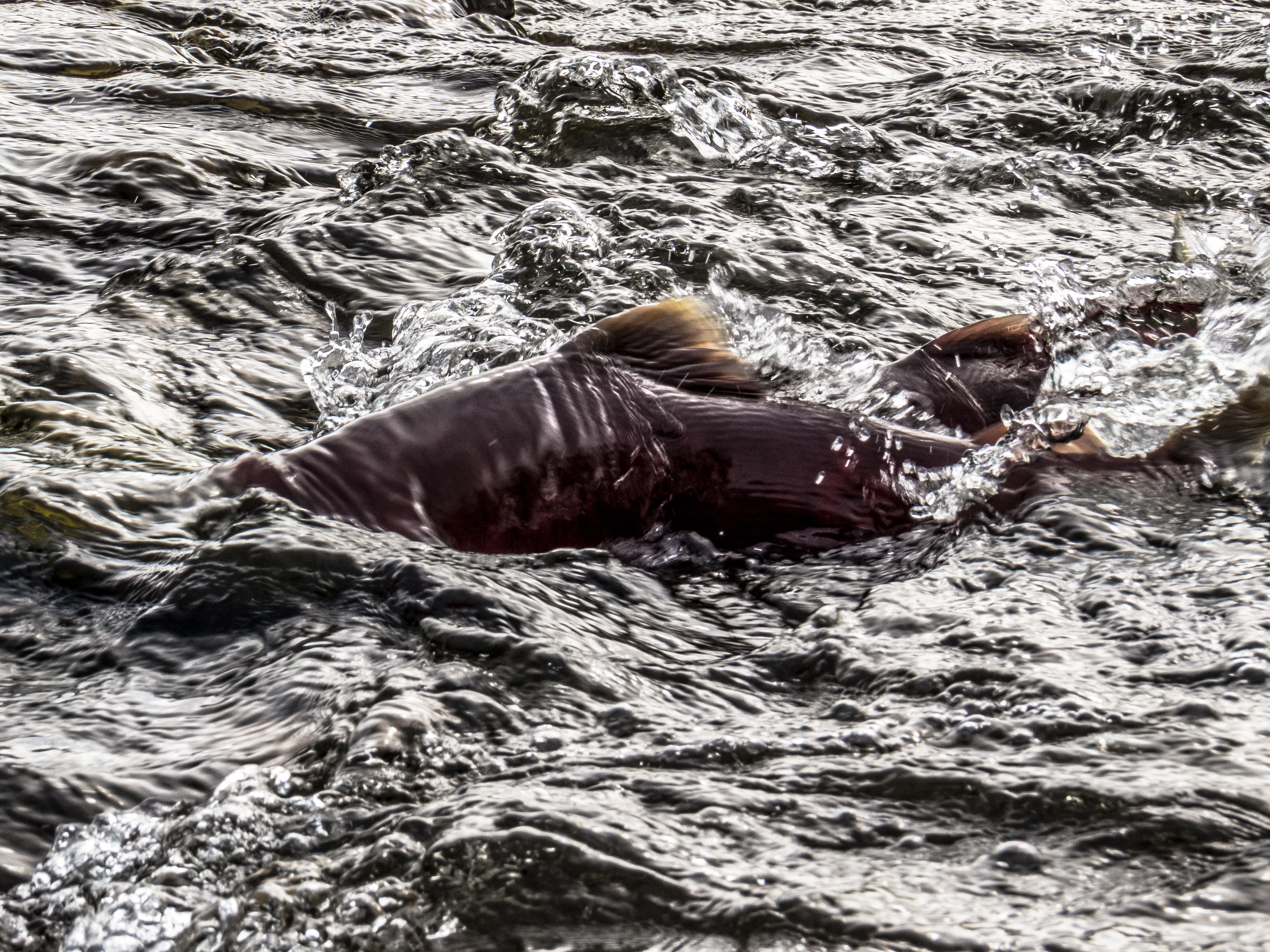
- Salmon (including sockeye): Salmon connect ocean and freshwater. When they return to spawn, they feed bears, eagles, otters, and many other species-and they deliver nutrients that help support riparian plant growth.
- Moose and caribou: These herbivores shape vegetation through browsing, and they become more predictable targets for predators during certain seasons.
- Bears: Bears are central to Alaska ecosystems-especially around high-energy events like salmon runs.
- Birdlife: Shorebirds, raptors, and songbirds take advantage of Alaska’s seasonal abundance. If you listen and watch, you’ll often notice patterns before you spot individuals.
\n
\n
\n
\n
\n\n
Conservation efforts for rare species
\n
In Alaska, conservation is rarely about one single “save the animal” story. It’s about protecting the conditions that keep populations stable-clean water, healthy habitat, and low-risk interactions between wildlife and people.
\n
Two principles show up again and again:
\n
- \n
- Protect habitat continuity. Migration corridors, spawning streams, and seasonal feeding areas matter because wildlife uses them year after year.
- Reduce stress at the wrong time. Disturbance during breeding or feeding can have outsized impacts when food is limited.
\n
\n
\n
If you want a science-based overview of how species and habitats are assessed and managed, start with the U.S. Fish & Wildlife Service’s endangered species resources: Endangered species overview.
\n\n
Best locations to observe
\n
The best spot is the one matched to the species’ schedule. Alaska’s wildlife follows seasonal calendars-spawning runs, insect hatches, migration windows, and winter range use.
\n
1) River systems during salmon season
\n
Look for concentrated activity at bends, calmer backwaters, and areas where water stays connected to spawning habitat. Wildlife often appears in different zones along the same river as the food source intensifies.
\n
2) Wetlands and coastal edges
\n
Wet margins are productive: invertebrates, forage fish, and plant material gather there. That makes wetlands ideal for shorebirds and many smaller mammals.
\n
3) Forest-to-tundra transition zones
\n
These ecotones can feel like Alaska’s variety band-plants shift, animals follow, and travel corridors concentrate movement.
\n
4) Tide-influenced areas and estuaries
\n
Where freshwater meets the ocean, nutrient flows and prey availability shift with tides. Timing and weather matter for marine-adjacent wildlife viewing.
\n
For additional planning guidance, visit our blog. When you’re ready to translate interest into an itinerary, review our services.
\n\n
Conclusion
\n
Alaska’s plants and animals aren’t random “great sightings.” They’re the visible outcome of climate, habitat, and seasonal timing-an ecosystem operating system written in behavior. If you approach it with patience and the right expectations, you’ll notice more: relationships between species, patterns in movement, and the quiet work of ecosystems doing their job.
\n \n
– Marcus Reed