Fishing Gear Essentials for Your Alaskan Adventure
Alaska fishing rewards preparation. The fish are real, the weather is real, and the shoreline has a strong opinion about anyone who packed like it was a casual lunch break. If you want a smooth trip, bring gear that matches the species, the water, and the conditions-not the brochure fantasy.
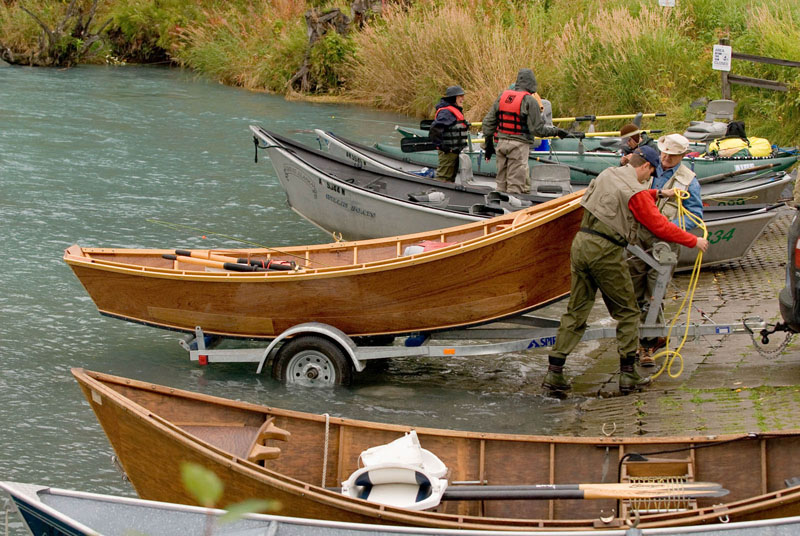
Use this checklist as your baseline, then adjust it for trout, salmon, halibut, or the specific waters you plan to fish. For current rules and seasons, review the Alaska Department of Fish and Game sport fishing pages before you travel.
Essential fishing tackle and equipment
The core setup is simple: rod, reel, line, terminal tackle, and a plan. Alaska does not care that your gear was expensive. It cares whether it works.
- Rod: Pack a medium to medium-heavy spinning rod for general use, and a heavier rod if you expect larger salmon or saltwater fish.
- Reel: Use a quality spinning reel with a smooth drag and enough line capacity for your target species.
- Line: Braided line gives sensitivity and strength; fluorocarbon leaders help in clear water; monofilament remains useful for simple rigs and easy handling.
- Hooks and weights: Bring a range of hook sizes, split shot, swivels, sinkers, and bead or float systems appropriate to your fishing style.
- Lures and bait: Pack spoons, spinners, jigs, soft plastics, salmon eggs, shrimp or herring setups where legal, and a few backups because water has a way of collecting donations.
- Landing tools: Include a landing net, pliers, hook remover, line cutters, and a fish-friendly measuring device if regulations require it.
If you are new to planning tackle by species, a basic gear chart from REI’s fishing basics guide can help you separate the useful from the decorative.
Practical tackle checklist
- 2 rods: one medium setup, one heavier backup
- 2 reels spooled and tested
- Extra spool or backup line
- Assorted hooks, swivels, leaders, and sinkers
- Lures suited to your target fish and water clarity
- Small tackle box with terminal tackle sorted by type
- Net, pliers, cutters, and a measuring device
Clothing and accessories for fishing
Alaska weather can shift quickly. The correct outfit is not fashion; it is a personal climate-control system.
- Base layer: Choose moisture-wicking synthetic or merino wool layers.
- Mid layer: Pack insulation such as fleece or a lightweight puffy jacket.
- Outer layer: Bring a waterproof, wind-resistant shell or rain gear with sealed seams.
- Footwear: Wear waterproof boots with solid traction, especially on slick banks, docks, and boats.
- Accessories: Add a brimmed hat, polarized sunglasses, lightweight gloves, neck gaiter, and spare socks.
Polarized sunglasses are not optional theater. They reduce glare and make it easier to spot structure, fish movement, and the occasional rock that would like to introduce itself to your shin.
Safety gear and first aid kits
Safety gear is the part of the kit you hope not to notice. That is the goal.
- Life jacket: Carry a properly fitted personal flotation device for boat fishing or any trip near deep or cold water.
- First aid kit: Include adhesive bandages, antiseptic wipes, gauze, medical tape, blister care, pain relief, allergy medicine, and any personal prescriptions.
- Emergency tools: Bring a whistle, flashlight or headlamp, extra batteries, fire starter, knife, and waterproof matches or lighter.
- Communication: Keep a charged phone, power bank, and a backup emergency contact plan if you are heading outside normal service areas.
For boating and shore safety concepts, the U.S. Coast Guard life jacket guidance is a useful reference. If you fish remote water, tell someone where you are going and when you expect to return. Adventure is better when it comes with a return address.
Tips for gear maintenance
Gear maintenance is how you keep a good trip from becoming an expensive lesson.
- Rinse saltwater gear: Wash rods, reels, nets, and pliers with fresh water after salt exposure.
- Dry everything completely: Moisture left in a tackle box turns into rust, mildew, and regret.
- Check the drag and guides: Inspect reels for smooth action and rods for cracks or loose guides before each outing.
- Organize terminal tackle: Keep hooks, swivels, and weights sorted so you can actually find the right piece in the wind.
- Store with care: Loosen reel drags slightly for storage, and keep soft plastics away from heat.
If you want a broader maintenance checklist for outdoor gear, the general storage advice from TripSavvy’s fishing tips coverage is a useful supplement, though your own gear should always get the final inspection.
Where to buy or rent gear
Most travelers do best with a mix of personal essentials and locally sourced specialty items. Local shops can save you from flying in with the wrong hook size and a stubborn attitude.
- Local tackle shops: Check bait and tackle stores in Anchorage, Soldotna, Kenai, Homer, Juneau, and other popular fishing hubs for region-specific recommendations.
- Guide services and lodges: Many outfitters provide rods, reels, and boat gear as part of a guided trip or can point you toward trusted rental options.
- Outdoor retailers: Larger sporting goods stores can cover basics if you need to replace something in a hurry.
- Online ordering: If you know your setup, order early and ship to your lodging or home before departure.
Start with the services we offer if you want help matching the right trip to your gear needs, then browse the blog for more Alaska planning advice. You can also return to the home page for a broader look at the site.
Final checklist before you leave
- Rod and reel matched to your target species
- Line, leaders, hooks, weights, and lures
- Waterproof outer layer and spare warm layers
- Life jacket, first aid kit, and emergency tools
- Phone, charger, and trip contact plan
- Cleaning supplies for post-trip maintenance
Bring less clutter, more function. Alaska will test your gear whether or not you are emotionally ready for it.