The best time to fish in Alaska is not “whenever you can get there.” That answer sounds flexible. It is mostly a polite way to waste time, money, and a decent weather window.
Readers usually want three things from this topic:
- Which season gives them the best odds for the species they actually want to catch.
- How weather and water conditions change the trip, not just the postcard value.
- Whether they should plan a river trip, a saltwater charter, or an ice-fishing trip.
Alaska is enormous, the runs shift by region, and regulations change more often than fishing lore admits. That is why the boring checks matter first: review current Alaska sport fishing regulations, confirm emergency orders before travel, and match the month to the species instead of forcing the opposite. Romantic optimism is not a strategy.
This guide breaks the year into practical fishing windows, shows which species are most realistic in each season, explains what weather does to your odds, and gives you the first planning steps to run before you book anything expensive. If you want more trip ideas after this, browse the rest of the Alaska fishing and expedition blog or review our guided fishing services for help narrowing the trip structure.
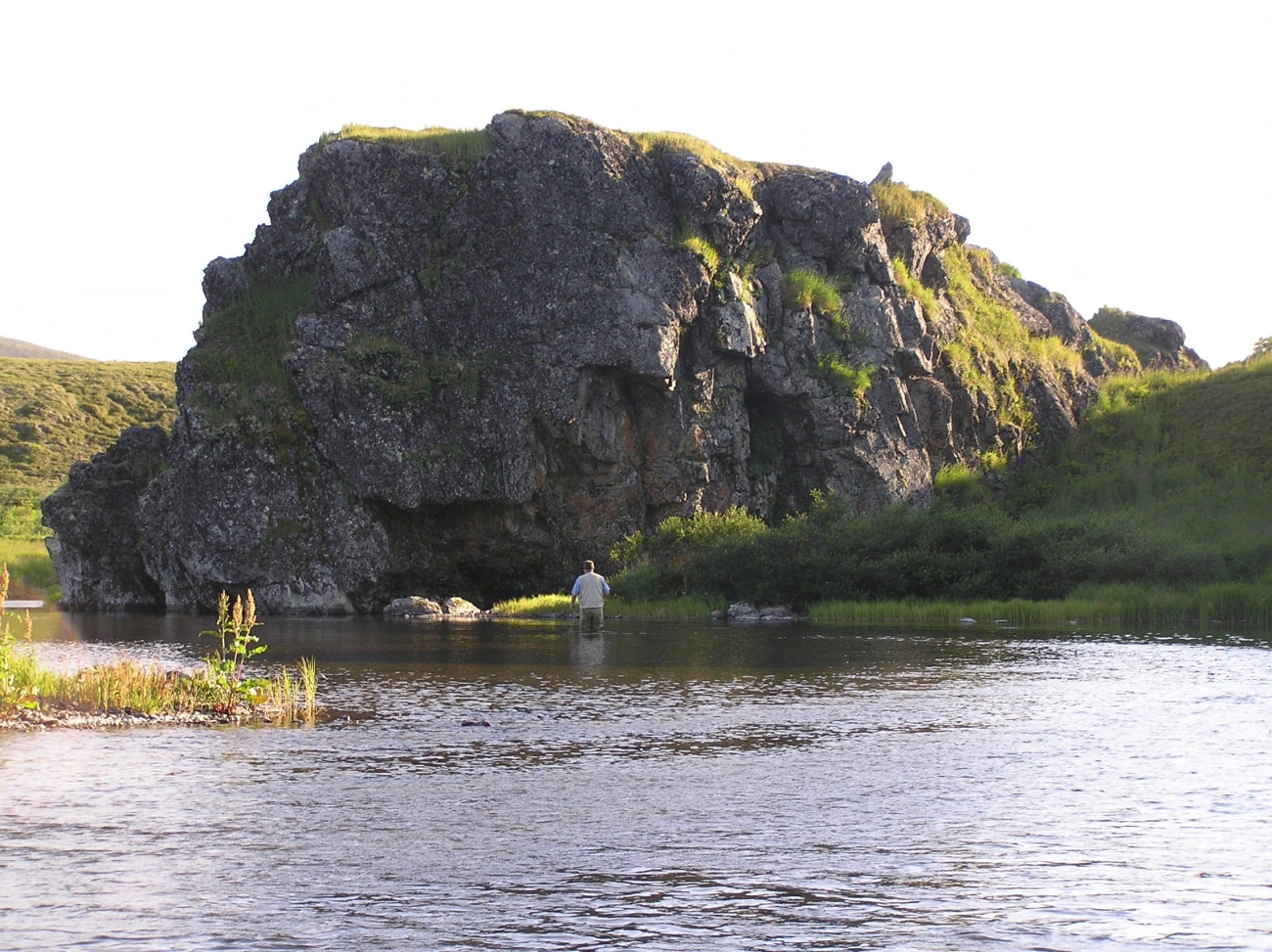
Start With The Actual Question: What Are You Fishing For?
“Best time of year” is a false lead until you define the target. Alaska does not have one fishing season. It has overlapping windows shaped by species migration, ice breakup, river levels, daylight, and whether you are fishing freshwater or saltwater. A summer visitor chasing halibut out of Homer is solving a different problem than a fall angler looking for late-run coho on a river system or a winter angler drilling through lake ice.
The clean way to think about it is this:
- Spring is about early access, breakup conditions, and the first real freshwater opportunities.
- Summer is the broadest and easiest window for most visitors, with the widest mix of salmon, halibut, rockfish, and trout options.
- Fall rewards anglers who want fewer crowds, aggressive trout, and late salmon opportunities, but the weather starts testing your plan.
- Winter is specialized. If you want easy variety, it is the wrong choice. If you want ice fishing for lake species and you understand the conditions, it can be excellent.
Quick Season Calendar
| Season | Typical Window | Best Targets | Main Advantage | Main Problem |
|---|---|---|---|---|
| Spring | Late April to early June | Rainbow trout, Dolly Varden, Arctic char, early king salmon in some areas | Less pressure, fresh post-ice opportunities | Cold water, unstable access, inconsistent runoff |
| Summer | June to August | Salmon, halibut, rockfish, trout | Peak diversity and easier logistics | Crowds, price, and weather still changes fast |
| Fall | September to October | Coho salmon, rainbow trout, Dolly Varden, char | Strong trout fishing and fewer people | Shorter days, storms, freezing nights inland |
| Winter | November to March | Lake trout, Arctic char, burbot, northern pike in some regions | Serious ice-fishing opportunities | Limited access, severe weather, specialized gear |
Spring Fishing In Alaska: Promising, But Not Automatically Easy
Spring usually starts when ice loosens its grip and rivers, lakes, and access roads begin acting like themselves again. This is the season where people confuse possibility with reliability. Yes, there are good fishing opportunities. No, that does not mean every drainage is ready on your schedule.
What spring is good for:
- Early-season rainbow trout in lakes and rivers that clear quickly.
- Dolly Varden and Arctic char in systems where fish are active after ice-out.
- Select king salmon openings in regions that start earlier than the peak summer rush.
- Shoulder-season trips for anglers who want fewer crowds and can tolerate weather volatility.
What to rule out first:
- Assuming “May in Alaska” means the same thing everywhere. It does not.
- Ignoring runoff. Snowmelt can stain rivers and make presentation difficult.
- Packing for pleasant afternoons and forgetting near-freezing mornings, wind, and cold water risk.
Spring works best for anglers who value access to trout and char more than peak salmon variety. If your dream trip depends on multiple salmon species at once, spring is usually too early. If your goal is a quieter freshwater trip with realistic fishing and fewer boats, it starts to make sense.
Summer Fishing In Alaska: Peak Season For A Reason
Summer is the default answer because it solves the most problems at once. Long daylight, broader transport options, active salmon runs, and productive saltwater charters all stack in its favor. There is a reason most first-time Alaska anglers end up here. It is not because everyone loves crowds. It is because summer offers the widest margin for success.
Species commonly targeted in summer include:
- Salmon: Chinook, sockeye, pink, chum, and coho depending on the month and region.
- Halibut: A major saltwater draw, especially in Southcentral Alaska.
- Rockfish: Often part of multi-species saltwater charters.
- Rainbow trout and Dolly Varden: Still very much part of the picture, especially as salmon eggs and flesh start influencing feeding behavior later in the season.
June is a good fit if you want the summer structure without the full late-season crush. July is often the most crowded and most productive all-around month. August can be excellent for coho in many places and remains strong for halibut and trout, though rain and blown-out rivers become more of a factor.
If you are booking one Alaska fishing trip and do not want to overcomplicate it, summer is still the safest reasonable default. Check the boring thing first, though: make sure your chosen week matches the run timing in your target region. Alaska is full of anglers who booked “salmon season” and arrived for the wrong salmon.
Fall Fishing In Alaska: Strong Fishing, Lower Noise, Meaner Conditions
Fall is a transition season, which is another way of saying it can be great if you understand the tradeoff. Crowds thin out. Trout fishing often improves as fish key in on eggs and flesh behind salmon runs. Coho can still be excellent. At the same time, the weather starts stripping away lazy planning.
Why fall can be excellent:
- Late coho runs can produce very good action.
- Rainbow trout and Dolly Varden often feed aggressively around salmon spawning areas.
- Cooler temperatures can make for comfortable fishing days if storms stay manageable.
- Lodges and guides may have slightly better availability than in peak midsummer.
Why fall can go sideways:
- Rain and wind can shut down travel or make a river unpleasantly high and dirty.
- Temperatures drop fast once you lose daylight and move inland.
- A “quiet fall getaway” becomes a different story when the weather compresses your fishing hours.
Fall is best for anglers who want fewer people and are willing to build in weather tolerance. If your schedule, budget, or patience cannot absorb lost days, summer is safer. If you want strong trout action and do not mind a sharper edge to the trip, fall is often underrated.
Winter Fishing In Alaska: Specialized, Not A Casual Backup Plan
Winter fishing in Alaska is mostly an ice-fishing conversation. This is the season for anglers who intentionally want frozen lakes, cold-weather systems, and species that remain available under the ice. It is not the season to pick because airfare was cheaper and you hoped the rest would somehow sort itself out.
Typical winter targets include:
- Lake trout
- Arctic char
- Burbot
- Northern pike in regions where that fishery is established
Winter can be productive, but it demands gear discipline, local ice knowledge, transport planning, and far more respect for exposure and safety. The National Weather Service cold-water guidance is worth reviewing because cold injury does not care whether the trip looked manageable from the lodge brochure.
If you are new to Alaska, winter is usually not the first trip to plan unless ice fishing is the whole point. For everyone else, it is a specialized lane, not a general recommendation.
Species Availability By Season
Here is the short version that matters most when you are planning dates:
| Species | Best Seasonal Window | Notes |
|---|---|---|
| Chinook / king salmon | Late spring into summer | Timing varies heavily by river and regulation; check area-specific rules before assuming an opening. |
| Sockeye salmon | Summer | One of the classic summer targets, especially where run timing is predictable. |
| Coho salmon | Late summer into fall | Often a strong reason to target August and September dates. |
| Halibut | Summer | Prime charter species in saltwater; see the NOAA Pacific halibut species overview for baseline species context. |
| Rockfish | Summer | Frequently paired with halibut on saltwater trips, depending on local rules and charter structure. |
| Rainbow trout | Spring through fall | Often strongest when water conditions are stable and food sources are concentrated. |
| Dolly Varden / Arctic char | Spring, fall, and winter in selected waters | Availability depends on drainage, access, and whether you are fishing open water or ice. |
The official NOAA Chinook salmon page and Alaska Department of Fish and Game run-and-regulation materials are useful reference points, but the main operational rule is simpler: species timing is local, not generic. The statewide season summary helps you narrow a month. A guide, lodge, or area regulation summary helps you stop making mistakes.
Region Matters More Than The Statewide Label
Alaska is one state on a map and several different fishing realities in practice. If you stop at “summer is best,” you are still missing the actual planning question, which is where in Alaska and on what kind of water.
Southcentral Alaska often appeals to visitors who want halibut, salmon, and road-accessible options in the same broad trip. The convenience is real, but so is competition for prime dates.
Southwest Alaska, including famous river systems and fly-out lodge country, is where many anglers chase marquee salmon and trout experiences. Timing is critical here because the right week can look brilliant and the wrong week can look like a brochure error.
Interior Alaska leans harder into freshwater opportunities, lake systems, and a season structure shaped by long travel distances and sharper temperature swings.
Southeast Alaska gives visitors a different coastal equation, often with strong saltwater and salmon opportunities but plenty of marine-weather influence.
The fix is straightforward: once you choose a species, narrow to a region before you narrow to exact dates. People often reverse that order. They book the week they can get off work, then try to bend Alaska around it. Alaska does not negotiate.
Choose The Trip Type Before You Choose The Month
Trip format changes what “best time” means. A lodge-based fly-out trip, a road-system river plan, and a saltwater charter do not react to the same constraints.
Road-accessible freshwater trips are usually the easiest entry point for anglers who want moderate logistics and some flexibility. Spring through fall can all work depending on species, but you need to watch runoff, river clarity, and roadside pressure.
Remote lodge or fly-out trips often justify their cost in prime summer and early fall windows, when species timing, access, and guide knowledge line up well. These trips can be outstanding, but they are the least forgiving if you book the wrong week for your target fish.
Saltwater charters usually make the most sense in summer, when halibut and rockfish opportunities are broad and marine logistics are more predictable than in colder months. “More predictable” is not the same as “guaranteed calm.” That distinction matters.
Ice-fishing trips belong in their own category. Plan them only if you intentionally want winter conditions, frozen access, and the species that remain productive under ice.
If your trip outline is still fuzzy, use this sequence:
- Pick one priority species.
- Pick freshwater, saltwater, or ice.
- Pick the region that best fits those two choices.
- Only then compare weeks, lodges, guides, or charter openings.
Weather Changes The Fishing More Than People Admit
Weather is not background decoration in Alaska. It is often the mechanism behind success or failure.
Temperature: Cold spring water slows activity in some fisheries and punishes bad layering. Hot by Alaska standards can also stress shallow systems and change where fish hold.
Rain: Rain can help or hurt. A little bump in water can wake fish up. Too much rain can blow out a river, reduce visibility, and turn a carefully planned float into a salvage exercise.
Wind: Wind matters on big lakes and saltwater charters more than hopeful travel brochures suggest. It affects safety, drift, boat comfort, and whether you even launch.
Daylight: Summer’s long days are an obvious advantage. Fall and winter compress your options, which means delayed starts and missed windows cost more.
Before travel, check area forecasts and emergency notices instead of assuming the month will behave. The Alaska emergency orders listings are useful because regulations and openings sometimes move faster than old trip-planning articles do.
What Each Season Does Well And Poorly
Sometimes the fastest way to choose is to stop asking what a season offers and ask what it tends to ruin.
Spring excels at: lower pressure, honest freshwater fishing, and anglers who like shoulder-season conditions.
Spring struggles with: access uncertainty, cold water, and inflated expectations about salmon variety.
Summer excels at: species diversity, easier travel planning, long fishable days, and first-time visitor success rates.
Summer struggles with: cost, crowding, and the assumption that every high-demand destination still has availability when you finally decide to call.
Fall excels at: coho timing in many systems, strong trout fishing, and fewer people on the water.
Fall struggles with: weather volatility, shorter days, and the need for more resilient clothing and schedule padding.
Winter excels at: dedicated ice-fishing experiences and anglers who want a very specific cold-season trip.
Winter struggles with: almost everything that casual travelers underestimate, especially access, exposure, and gear demands.
If you want a simple diagnostic rule, use this one: the more generalized your trip goal, the more summer makes sense. The more specialized your target and tolerance for conditions, the more shoulder seasons and winter become viable.
Planning Tips That Prevent The Usual Mistakes
If you want the trip to work, start here:
- Pick the species first. “Any fish will do” is how people end up with the wrong month.
- Choose freshwater, saltwater, or ice before comparing destinations. Those are different trips with different logistics.
- Match the trip to your tolerance for weather risk. Summer is easier. Fall can be excellent, but less forgiving.
- Book guides and lodging early for prime summer dates. The best weeks do not stay open because hope is not a reservation system.
- Pack for wet, cold, and wind even when the forecast looks kind. Alaska enjoys proving overconfidence incorrect.
- Check regulations right before the trip. This is not optional homework. It is the actual problem if you skip it.
If you are still deciding between formats, a guided midsummer trip is the cleanest first choice for most visitors. If you want to compare that with a simpler starting point, the site’s beginner’s guide to fishing in Alaska covers gear, access, and trip structure in more detail.
So When Is The Best Time?
The honest answer is annoyingly specific:
- For the broadest variety and easiest planning: summer.
- For quieter freshwater fishing and shoulder-season conditions: late spring.
- For coho and aggressive trout with fewer crowds: late summer into fall.
- For dedicated ice fishing: winter, but only if that is the point of the trip.
The best time of year for Alaskan fishing is the season that matches your target species, your tolerance for weather, and your willingness to do the boring checks before spending money. That is the mechanism. Everything else is brochure noise.
First diagnostic step: decide on one target species and one trip format before changing anything else. Once those two variables are fixed, the right Alaska fishing month usually stops being mysterious.