Wildlife conservation in Alaska has a measurable track record-here are success stories you can feel good about. If you’ve searched for proof that habitat restoration, smarter management, and community stewardship can help species recover, you’re not alone.
What can be restored in the far north?
Which species are improving-and how do we know?
What should a visitor, hunter, or angler do to support conservation without making things worse?
And where can I find trustworthy groups to volunteer with?
Conservation work is grounded in practical principles: protect habitat, use science-based management, and track outcomes over time. The U.S. Fish & Wildlife Service summarizes that approach through national frameworks for wildlife conservation and recovery https://www.fws.gov/?utm_source=alaskanexpeditions.com, and explains the North American Model of Wildlife Conservation https://www.fws.gov/story/north-american-model-wildlife-conservation?utm_source=alaskanexpeditions.com. The big idea is simple: good intentions aren’t enough-results tracking is.
Below are Alaska-focused examples of successful initiatives, what they changed on the ground, and what “impact” looks like in wildlife management. By the end, you’ll have a clear checklist for how to get involved in ways that actually support healthy wildlife populations.
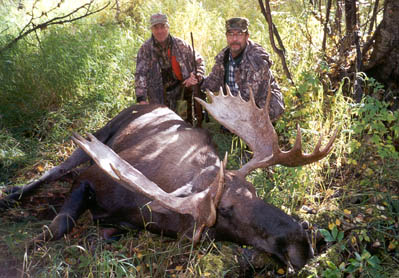
Introduction to conservation in Alaska
Alaska’s wildlife lives across huge distances and diverse habitats-coastal marshes, interior forests, tundra, and big river systems. Conservation here usually isn’t a single project. It’s a portfolio: habitat protection, recovery planning, monitoring programs, and responsible use.
That portfolio often includes:
- Habitat work (restoring wetlands, improving connectivity, protecting seasonal ranges)
- Science-based rules (season timing, harvest limits, and safeguards informed by surveys)
- Monitoring & adaptive management (tracking outcomes and adjusting when conditions change)
- Community partnership (working with local knowledge holders and affected communities)
Case studies of successful initiatives
Success doesn’t always look like a dramatic headline. Often it’s a multi-year trend: a species holds steady, starts to rebuild, or expands back into suitable habitat. Here are examples of initiative patterns that have produced meaningful conservation outcomes across North America and are directly applicable to Alaska’s management approach.
1) Habitat restoration that improves survival
When habitat is the limiting factor, restoration targets the bottleneck-spawning grounds, nesting areas, or migration corridors. Wetland and riverine habitat projects can boost food availability and shelter, especially for juvenile wildlife. The key is measurement: managers compare indicators before and after (or against suitable control areas) to confirm that restoration is doing more than “looking good.”
To understand how habitat-based conservation is applied, start with the U.S. Fish & Wildlife Service’s recovery planning and habitat guidance https://www.fws.gov/?utm_source=alaskanexpeditions.com.
2) Community-led stewardship and responsible use
In Alaska, many conservation outcomes depend on trust and practical cooperation. Responsible wildlife use-hunting, fishing, and viewing-works best when it’s guided by science-based rules and locally informed practices. When communities and managers share the same goal and outcomes are monitored honestly, it’s easier to sustain wildlife while also supporting livelihoods.
A helpful framework for this approach is the North American Model of Wildlife Conservation, which connects conservation to public trust, fair-chase principles, and science-based management https://www.fws.gov/story/north-american-model-wildlife-conservation?utm_source=alaskanexpeditions.com.
3) Monitored recovery with clear milestones
Recovery plans are most credible when they spell out milestones and define what success looks like. That means setting measurable targets (population counts, survival rates, habitat quality metrics) and revisiting the plan as conditions change. It’s “adaptive,” not “set-and-forget.”
If you want an accessible overview of how conservation evidence is communicated in the real world, the International Union for Conservation of Nature (IUCN) explains how species status is assessed and why monitoring matters https://www.iucnredlist.org/?utm_source=alaskanexpeditions.com.

Impact on wildlife populations
What does conservation impact look like? Typically, it’s a combination of:
- Stabilization (populations stop declining)
- Recovery (numbers increase over time)
- Range improvements (species use more of their historic habitat)
- Better reproductive success (more young surviving to juvenile stages)
- Resilience (wildlife holds up better when weather or food availability shifts)
One reason conservation stories feel hopeful in Alaska is that the work often aligns with natural systems: clean water, functional habitat, and sustainable use create conditions where wildlife can do what it already evolved to do-survive, reproduce, and migrate.
How to get involved
Conservation support doesn’t have to be complicated. Here are practical, low-drama next steps-ones that match how effective work is actually carried out.
1) Choose verified local groups
When donating or volunteering, look for organizations that publish goals and results, and that explain how projects will be monitored. A good starting point for learning about conservation governance is the IUCN overview of assessment approaches https://www.iucnredlist.org/?utm_source=alaskanexpeditions.com.
2) Follow wildlife and water rules on your trip
If you’re visiting or booking an Alaska hunting/fishing experience, conservation-friendly behavior matters: respect closures, use legal methods, and don’t push wildlife closer for photos. You can also ask outfitters what conservation practices they follow-clear expectations reduce harm.
For more trip-planning ideas, browse the Alaska expedition guides and the services information pages.
3) Support habitat and monitoring efforts
Habitat restoration and monitoring are often less visible than dramatic rescues, but they’re essential. If you’re unsure where to help, prioritize work tied to measurable outcomes: restoration plans, long-term monitoring, and science-based adaptive management.
4) Share accurate information
Conservation misinformation can cause real damage-by scaring people off responsible stewardship or fueling bad interventions. Share sources that explain evidence and outcomes, and encourage others to do the same.
Conclusion
Wildlife conservation success in Alaska is built the same way every time: protect habitat, apply science-based management, partner with communities, and measure results. When you support initiatives that track outcomes-not just promises-you’re helping wildlife and people thrive together.
Next step: pick one action you can sustain-donate, volunteer, support restoration, or choose conservation-friendly practices on your next trip. Then follow the results over time. That’s how good conservation becomes lasting conservation.