Alaska kayaking works best when the water, weather, and your own pace all agree. If you are trying to choose where to paddle, the useful questions are usually the same: Which places feel wild without being overwhelming? Which routes reward a first-time sea kayaker? Which bays give you room to learn without making every mistake expensive? And when is the window open long enough to make the trip feel calm instead of rushed?
By Isla Bennett | Updated July 11, 2026
That is not just a romantic question. The National Park Service pages for Kenai Fjords National Park and Glacier Bay National Park show how quickly Alaska can shift from sheltered water to big, exposed country. NOAA marine forecasts add the other half of the picture: wind, tide, and visibility matter just as much as the scenery. If you plan with those realities in mind, Alaska becomes more welcoming, not less.
“The sea, once it casts its spell, holds one in its net of wonder forever.” – Jacques Cousteau
I think of that line whenever someone asks where to kayak in Alaska. The answer is never just a place name. It is a combination of access, exposure, wildlife, water temperature, daylight, and how steady you want the day to feel. In the sections below, I will walk through five of Alaska’s best kayaking areas, explain the terms that make route planning easier, and share the safety habits that help a good day stay a good day.
For readers who are planning a trip, I will keep this practical: what makes each spot special, what level of experience it tends to suit, when to go, and what to watch closely once you are on the water. If you want more Alaska trip ideas after this, the blog has additional planning guides, and the services page is the place to look if you are comparing support options for a guided trip or a broader expedition plan.
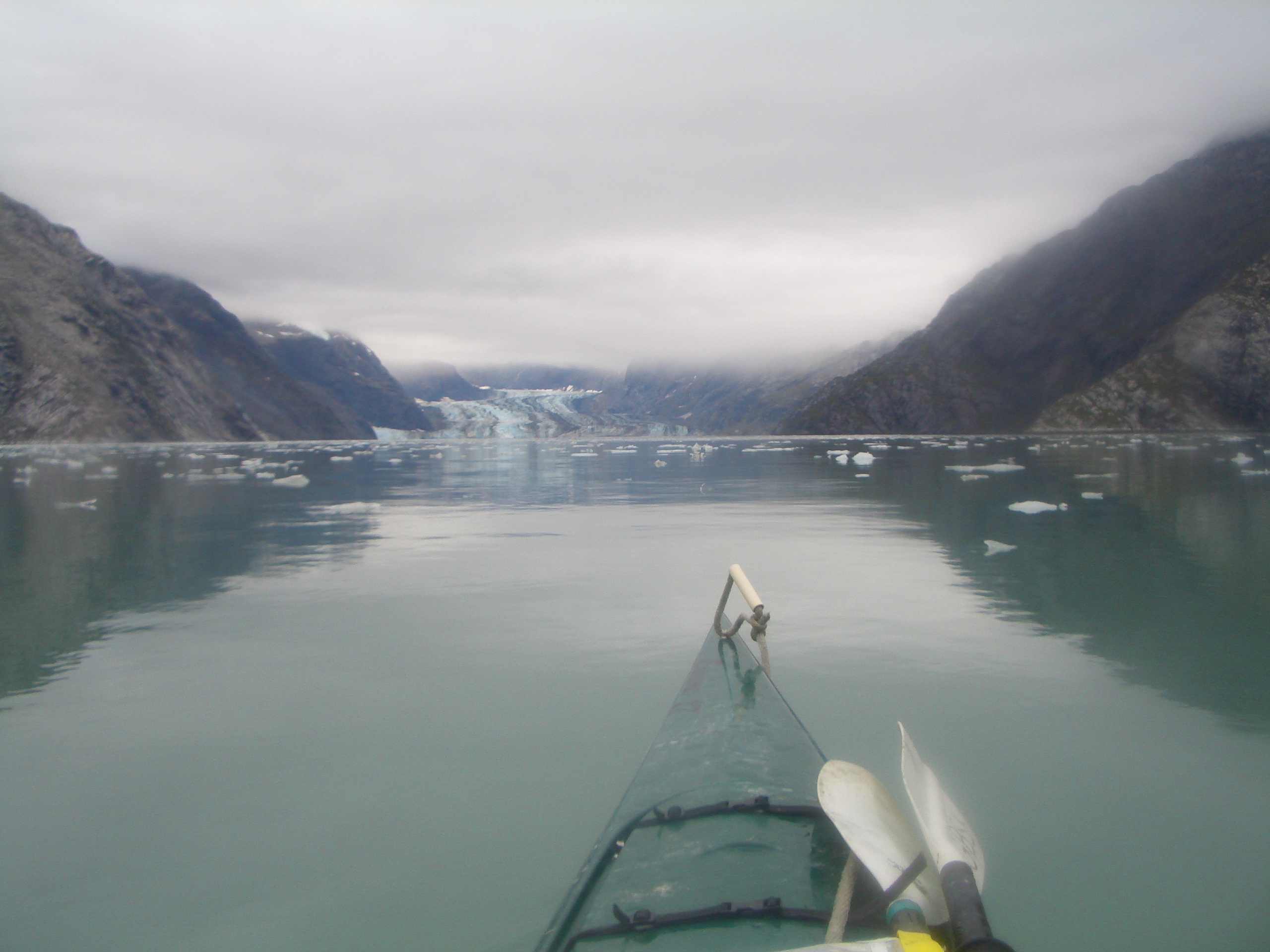
Kayaking terms worth knowing before you go
I find that Alaska feels less intimidating once the vocabulary gets smaller. A few words carry most of the weight, and once you know them, route notes and park descriptions are easier to read.
| Term | Simple meaning | Why it matters in Alaska |
|---|---|---|
| Fjord | A long, narrow inlet carved by glaciers and bordered by steep land. | Many of Alaska’s most memorable paddles happen in fjords, where the scenery is dramatic and the water can change quickly. |
| Tidewater glacier | A glacier that ends in the sea or in a large body of water. | These glaciers can send waves, ice, and sudden noise into the route, which is beautiful but not casual. |
| Marine forecast | A weather forecast for coastal waters, including wind and sea state. | For kayak planning, it is often more useful than a general town forecast. |
| Tide table | A schedule showing when water levels rise and fall. | In inlets and narrow channels, the tide can shape where you launch, land, and rest. |
| Float plan | A simple note that says where you are going, when you expect to return, and who should be told if you are late. | In Alaska, a float plan is not ceremonial. It is common-sense backup. |
| Dry suit | Protective clothing designed to keep cold water off your body. | Even in summer, the water can stay cold enough that a dry suit is worth the extra planning. |
| Sea kayak | A kayak built for longer, more exposed paddles with gear storage and better tracking. | Many Alaska routes are better suited to a sea kayak than to a recreational day boat. |
That table is the short version. The longer version is that Alaska rewards people who plan around the water they actually have, not the water they hoped for. A sheltered bay, a tidal passage, and a glacier-lined fjord are all “kayaking,” but they do not ask the same things from you.
The 5 best kayaking spots in Alaska’s wilderness
There are dozens of worthy places to paddle in Alaska, but these five give a strong mix of scenery, access, and experience levels. Some feel like a first step into big-country paddling. Others are for the day you want the landscape to be louder than you are.
| Spot | Best for | General feel | Main caution |
|---|---|---|---|
| Kenai Fjords National Park | Wild scenery with relatively reachable launch points | Glaciers, islands, wildlife, and a classic coastal Alaska feel | Weather can tighten quickly, and cold water deserves respect |
| Glacier Bay National Park | Remote, iconic expedition paddling | Large scale, tidewater glaciers, and a sense of real distance | Exposure, changing ice, and long stretches without easy exits |
| Prince William Sound | Variety and flexible route planning | Sheltered islands, long coastlines, and many possible itineraries | Tides and wind can make even quiet-looking water behave differently |
| Kachemak Bay | Travelers who want scenic water near Homer | Accessible, beautiful, and rich with shorelines worth exploring slowly | Ferry timing, tide movement, and local wind patterns matter |
| Eklutna Lake and Portage Valley | First-timers and anyone who wants an easier day on the water | More sheltered, but still unmistakably Alaskan | Cold water, glacial sediment, and rapidly changing weather still apply |
Kenai Fjords National Park
Kenai Fjords is one of the best starting points for anyone who wants the full Alaska feeling without immediately signing up for the most remote version of it. Around Seward, you can find routes that move through protected water, island chains, and glacier country that feels close enough to touch but large enough to humble you. That balance is why the park is so often the answer when someone asks for a memorable paddle that still leaves room to breathe.
The park’s coastline gives you variety. Some days are about forested shorelines, bird life, and a steady pace between headlands. Other days are about the drama of tidewater glaciers and the kind of water that makes everyone lower their voice a little. If you want one place that helps you understand why kayaking in Alaska is different from kayaking almost anywhere else, Kenai Fjords is a strong place to begin.
What I like most about this area is that it offers multiple ways to approach the same trip. A cautious paddler can keep things shorter and stay close to more protected water. A more experienced group can choose a longer route with bigger scenery and more moving parts. That flexibility matters, especially when weather windows are short. You do not need to force a heroic itinerary to have a good day here.
- Best for: Scenic day trips, first-time Alaska kayak travelers, and guided outings.
- Look for: Wildlife, glacier views, and coves that feel tucked away from the road system.
- Watch for: Cold water, wind shifts, and the mood of the tide.
Glacier Bay National Park
Glacier Bay is the place people imagine when they picture wilderness kayaking in Alaska. It is bigger, more remote, and more serious in tone than many travelers expect. The scenery is extraordinary, but the scale is what stays with you. There are stretches where the shoreline feels far away, the water feels deep and cold, and the ice seems to announce itself before you even see it.
That does not mean it is only for experts. It means the trip deserves proper pacing. Glacier Bay rewards patience: enough patience to watch the water, enough patience to let conditions tell you what kind of day you are actually having, and enough patience to accept a shorter route if that is the smart choice. A clean, steady paddle here can feel better than a rushed, ambitious one.
If you are the kind of traveler who likes places that make silence feel big, this is your spot. The park also tends to sharpen your attention. A few miles on a map can feel like a full story on the water because the landscape keeps changing: open channels, glacier faces, islands, and the occasional burst of wildlife movement that breaks the stillness without breaking the mood.
- Best for: Experienced paddlers, guided expedition trips, and travelers who want a true wilderness setting.
- Look for: Tidewater glaciers, wildlife corridors, and broad views that shift through the day.
- Watch for: Exposed water, ice, and the distance between launch points and shelter.
Prince William Sound
Prince William Sound is the kind of place that makes itinerary planning feel generous. There are so many islands, inlets, and shorelines that you can often build the day around the weather instead of fighting it. For kayakers, that is a gift. It means one group can choose a sheltered route while another moves a little farther out without feeling as if they have left the region entirely.
The Sound is especially appealing if you want variety. Some sections feel protected and intimate, with quiet water and forested edges. Others open out into broader coastal scenery where every landing feels like a small discovery. It is the sort of place where the geography itself encourages you to slow down, take notes, and stop pretending that a perfect plan is more important than a useful one.
For many paddlers, Prince William Sound is where Alaska kayaking becomes pleasantly repeatable. You can return and build a different trip each time, choosing a different harbor, different islands, or a different level of challenge. That flexibility is one reason experienced travelers keep coming back. It allows the route to match the weather instead of making the weather answer to the route.
- Best for: Flexible itineraries, multi-day trips, and people who like to choose between protected and more open water.
- Look for: Calm coves, forested shorelines, and routes that can be adjusted if conditions shift.
- Watch for: Tidal movement, wind funneling between islands, and cold water even on sunny days.
Kachemak Bay
Kachemak Bay offers a different kind of reward. It feels accessible in a way that many wilderness paddling areas do not, but it never feels ordinary. The bay gives you a mix of scenic shoreline, sheltered stretches, and the kind of view that makes Homer feel like a proper gateway town rather than just a place to park the truck and hurry away.
This is a smart choice for travelers who want a real Alaska experience without immediately moving into the most remote country on the map. The shoreline can be stunningly beautiful and still manageable if you keep a close eye on tides and local conditions. That balance makes the bay useful for both shorter outings and longer, more deliberate days where the pleasure comes from moving slowly and paying attention.
Kachemak Bay is also a reminder that “wilderness” does not always mean “far away.” Sometimes it means a place where the land feels larger than the infrastructure around it, and where the water has enough character to make you plan carefully. That is a useful kind of wilderness because it welcomes travelers who are willing to prepare.
- Best for: Travelers based near Homer, scenic day paddles, and people who want a strong mix of beauty and accessibility.
- Look for: Forested shorelines, protected water, and views that make every pause worth taking.
- Watch for: Tide timing and shifting local winds.
Eklutna Lake and Portage Valley
If you want a gentler entry point, Eklutna Lake and the Portage Valley area can be excellent. These are places where the day can feel more approachable, especially for people who are still getting comfortable with Alaska’s colder water and less forgiving weather. You still need to respect the conditions, but the route structure can make the whole outing feel less intimidating.
I like including one easier option on any Alaska kayak list because not every reader wants the same level of intensity. Some people are testing a first sea kayak trip. Some are traveling with a family member who wants scenery more than mileage. Some just want to practice a steady stroke without feeling as if they are being graded by the coastline. This area can serve that need well.
Do not mistake “easier” for “casual,” though. Alaska water stays cold, and mountain weather still arrives on its own schedule. The value of a place like Eklutna Lake is that it gives you a more forgiving environment to work with, not a promise that nothing will change. It is still Alaska, and the land remains in charge.
- Best for: First-timers, shorter outings, and travelers who want a lower-pressure day on the water.
- Look for: Mountain views, easier logistics, and a route you can keep compact if needed.
- Watch for: Cold water, weather, and any local restrictions on launch or access points.
Safety tips that keep a kayaking day steady
I have never met a good Alaska kayaking day that was improved by pretending safety was optional. The practical habits are not complicated, but they do matter. They keep the trip calm enough that you can enjoy the scenery without spending the whole day in the back of your mind.
| Safety item | Why it matters | Plain-language note |
|---|---|---|
| PFD | Helps keep you afloat if you capsize or need a rest. | Wear it, not just carry it. |
| Dry suit or cold-water protection | Cold water can become a problem fast, even on a bright day. | The air may feel kind while the water stays sharp. |
| Marine forecast | Gives you wind and water details that a town forecast can miss. | Check it before launch and again before you commit to the longest part of the route. |
| Tide table | Helps you avoid getting pinned by changing water levels or current. | Especially important in bays, channels, and glacier country. |
| Float plan | Tells someone where you are going and when they should worry. | It takes almost no time and buys a lot of calm. |
| Dry bag with essentials | Protects phone, map, snacks, and spare layers. | Wet socks are annoying. Wet everything is a different kind of day. |
- Dress for the water, not the parking lot. A warm trailhead is not proof that the kayak route will feel warm.
- Check tides and wind together. Either one can be manageable alone, and inconvenient together.
- Keep the first route shorter than your ambition suggests. It is better to finish wanting more than to finish drained.
- Tell someone where you are going. A float plan is the unglamorous habit that becomes glamorous later if you need it.
- Know your turnaround point before you launch. If the weather changes, a clear cutoff helps you decide without arguing with yourself.
- Respect the cold. Even in summer, Alaska water can be a serious business.
For outfitters and small trip operators, the safety side of the business often becomes an information problem as much as a water problem: weather notes, route updates, booking changes, and gear reminders all need to stay in one process. In that setting, a neutral resource like build an AI roadmap can help turn scattered operational notes into a repeatable workflow without making the trip itself feel technical or cold.
That is really the heart of the matter. Good planning makes room for calm. It does not remove uncertainty, but it keeps uncertainty from spilling everywhere.
Best times to kayak in Alaska
There is no single perfect month for every Alaska kayaking trip, but there is a sensible season for most of them. In general, late spring through early fall gives you the best combination of daylight, access, and workable conditions. The exact choice depends on whether you want quieter water, warmer air, fewer crowds, or the best chance of stable weather.
| Season | What it feels like | Why you might choose it | What to keep in mind |
|---|---|---|---|
| Late May to June | Bright, fresh, and often cooler | Long daylight and a sense that the season is just waking up | Water stays cold; some routes may still feel brisk and empty |
| July | Often the most balanced month | Good daylight, a more settled rhythm, and strong trip flexibility | Popular routes can get busier, so book and plan early |
| August | Still workable, often a little softer in feel | Good for late-season paddles and travelers who like slightly quieter shores | Weather can feel more changeable as the season turns |
| September | Cooler, quieter, and sometimes beautifully clear | Excellent for travelers who want fewer people and do not mind layers | Shorter daylight and colder nights make preparation more important |
If I had to give a simple answer, I would say this: July and early August are the easiest months for many first-time paddlers, while late spring and early fall can be lovely for travelers who are comfortable adjusting to cooler water and faster changes in weather. That is why route choice matters as much as calendar choice. A sheltered bay in June may be a better trip than an exposed route in July.
It also helps to think in terms of daylight instead of just temperature. Alaska gives you more usable hours than many places in summer, and that extra light can turn a rushed paddle into a relaxed one. But daylight should not tempt you into overcommitting. The long Alaska evening is still a better companion when the route home is already clear.
A simple planning path that keeps the trip humane
When someone asks me how to choose a kayaking spot in Alaska, I usually suggest a simple order of operations:
- Choose your comfort level first. Decide whether you want an easier outing, a moderate coastal day, or a true expedition setting.
- Choose the water second. Read the route description, tide notes, and weather forecast before you get too attached to a specific launch point.
- Choose the season third. Pick the window that gives you the best mix of daylight, access, and cold-water tolerance.
- Choose the support level last. If you want a guided trip, compare what is included so the small details do not become a surprise later.
That order matters because it keeps the trip human. It is easy to get seduced by the biggest photo or the most dramatic word on the map. It is harder, and wiser, to ask what kind of day you are actually ready to enjoy. Alaska tends to reward that quieter kind of honesty.
Conclusion
Alaska’s best kayaking spots are memorable for the same reason they are challenging: the landscape feels bigger than your expectations. Kenai Fjords gives you a classic coastal introduction. Glacier Bay gives you scale. Prince William Sound gives you flexibility. Kachemak Bay gives you beauty with practical access. Eklutna Lake and Portage Valley offer a steadier entry point when you want the day to feel manageable.
If you remember only a few things, make them these: choose the right water for your experience, check tides and forecasts before launch, and give yourself more margin than your ego asks for. Alaska is generous to prepared travelers. It is much less forgiving of people who confuse a calm morning with a guaranteed afternoon.
For more planning ideas, browse the blog for related Alaska travel posts or review services if you want support that matches a guided expedition or a longer trip plan. The water will still be there when you are ready. The useful question is whether your plan is ready for the water.
Key takeaways:
- Alaska offers kayaking routes for a range of comfort levels, from sheltered lakes to remote tidewater fjords.
- Kenai Fjords, Glacier Bay, Prince William Sound, Kachemak Bay, and Eklutna/Portage each offer a different kind of trip.
- Cold water, tides, wind, and float planning are not side notes; they are part of the route.
- Late spring through early fall is usually the best kayaking window, with July and early August often the easiest for many paddlers.
- Good planning makes the trip calmer, safer, and more enjoyable.