Alaska fishing is seasonal in the practical sense, not the marketing sense. Water temperature, daylight, access, weather, and species timing all shift across the year, so the right plan in June can be the wrong plan in September. Before you build a trip around a season chart, check the current Alaska Department of Fish and Game Fishing Regulations, the license and king salmon stamp rules, and any live Emergency Orders that may change openings, limits, or methods.
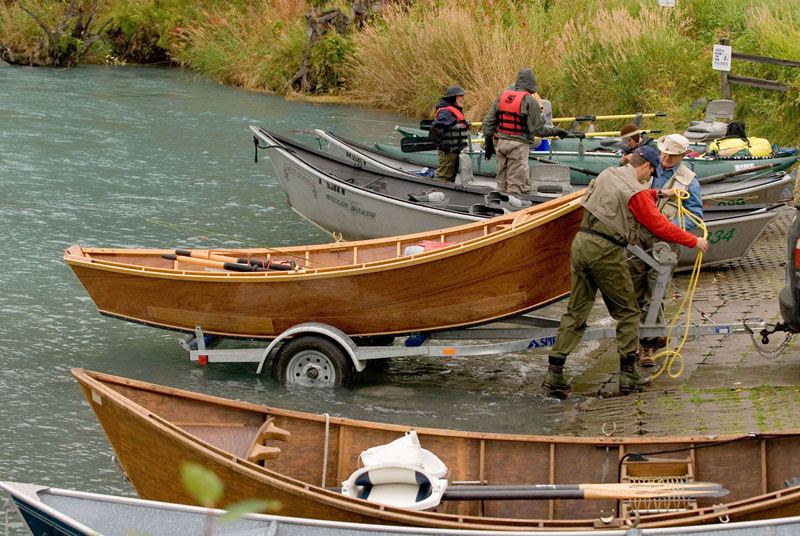
Fishing seasons at a glance
There is no single Alaska fishing season. There are regional windows that overlap, and the species you can target depend on where you are and what the current rules allow. The chart below is a general planning tool, not a substitute for the current regional booklet.
| Season | Typical opportunities | Planning note |
|---|---|---|
| Spring | Trout, char, grayling, early salmon runs in some southern waters | Ice-out and runoff can change access fast. Check local waters before you travel. |
| Summer | Peak salmon, halibut, trout, grayling, pike, and many guided river fisheries | Best access of the year, but also the busiest. Book early and read the regional rules carefully. |
| Fall | Coho, late salmon opportunities, char, trout, and cooler-water fishing | Shorter days and faster weather changes mean you need more flexibility. |
| Winter | Ice fishing where allowed, often for burbot, lake trout, pike, grayling, or rainbow trout | Only fish waters that are open and safe. Ice safety matters as much as the bite. |
Spring
Spring is a transition season. In many parts of Alaska, ice is breaking up, runoff is rising, and fish are still adjusting to cold water. That can be a good time for trout, char, and grayling in the right systems, while some southern fisheries begin to see early salmon activity. In other places, the season is still waiting for the snow to finish leaving.
What matters most in spring is access. A road or river that looks open on a map can still be muddy, iced up, or running too hard for comfortable fishing. If you are planning early season travel, check the local forecast and the regional regulations together. One without the other gives you half a plan.
Summer
Summer is the headline season for most visitors. Long daylight, warmer temperatures, and broader access make it the easiest time to reach many fisheries. Salmon runs peak in many areas, halibut opportunities are strong in saltwater, and freshwater species such as trout, grayling, and pike are often at their most accessible.
It is also the season when crowding and logistics matter most. Popular rivers fill quickly, weather can shift coastal schedules, and some fisheries tighten or change by emergency order. If you are booking a trip in summer, confirm the exact waterbody, the target species, and whether you need to record the catch immediately. The state does not care whether the line at the boat launch was long.
Fall
Fall fishing is quieter and more changeable. Cooler water can make some fish more active, especially coho and other late salmon runs in the right regions, while char and trout can remain worthwhile as temperatures fall. The tradeoff is weather. Rain, wind, and colder nights arrive sooner than most first-time anglers expect.
Fall is where good layering pays off. Start with waterproof outer gear, keep spare dry clothing in the vehicle or skiff, and plan to leave a little earlier than you think you need to. The extra margin is useful when a day on the water turns into a day on the weather.
Winter
Winter fishing in Alaska is more specialized. In the right places, ice fishing can be productive for burbot, lake trout, pike, grayling, or rainbow trout, but the key phrase is “in the right places.” Not every body of water is safe, and not every fishery is open to winter harvest.
Before you go, verify local ice conditions through people who know the water, not by guessing from the shoreline. Carry cold-weather gear, let someone know your route, and remember that a beautiful frozen lake is not the same thing as a safe one. Alaska is generous, but it does not negotiate with weak ice.
Weather impacts on fishing success
Weather does more than make the day uncomfortable. It changes fish behavior, water clarity, travel time, and safety. Warm rain can push river levels up. Wind can make saltwater travel unpleasant or unsafe. Early cold snaps can alter fish movement and make access difficult. In other words, weather is not background noise. It is part of the fishery.
For coastal and marine trips, the National Weather Service Alaska marine forecasts are the best quick check for wind, waves, and small-craft conditions. Their Alaska Marine Forecasts by Zone page is especially useful when you need to know whether a morning run is smart or merely optimistic.
For trip planning, think about weather in three layers: temperature, precipitation, and wind. Temperature affects fish metabolism and your own comfort. Rain can swell rivers or muddy access roads. Wind can turn a short crossing into an unnecessary lesson. The safest anglers are usually the ones who treat weather as a planning input, not a nuisance.
Practical tips for seasonal fishing
- Spring: Fish slowly, expect cold water, and check access routes before you leave town.
- Summer: Book early, carry insect protection, and keep your license and stamp where you can reach them.
- Fall: Pack for rain and wind, watch daylight hours, and verify whether fall closures or reduced limits are in effect.
- Winter: Only fish safe ice, dress for long exposure, and confirm that the water you want is actually open.
- Every season: Read the local regulation summary, review emergency orders, and know the difference between bag limit, possession limit, and size limit.
If you are managing bookings, seasonal notices, or client communication for a lodge or outfitter, AI consulting services can help separate a useful workflow from a pile of disconnected ideas. The point is not to automate everything. The point is to make the seasonal work easier to run without losing track of the details that matter.
For anglers, that same discipline looks simpler: make one checklist for the trip, one for the rules, and one for the weather. Three lists are easier to trust than one good memory on a busy morning.
Current regulations and guidelines to remember
Alaska’s rules are seasonal, but they are also live. The broad pattern is stable enough to plan around, while the details can shift by region or emergency order. Keep these guidelines in mind:
- Most anglers need the correct Alaska sport fishing license, and some fisheries require a king salmon stamp.
- Regional regulations can differ by drainage, district, or marine area, even for the same species.
- Emergency Orders can open, close, or modify a fishery after the printed booklet is already out of date.
- Marine species such as halibut may involve federal guidance, so verify both state and NOAA sources before a saltwater trip.
If you want a cleaner starting point for the rules, use the state’s Fishing in Alaska hub, then narrow to the correct region and fishery. For halibut and other saltwater planning, NOAA Fisheries’ Sport Halibut Fishing in Alaska guidance is the right reference to check before you leave shore.
Conclusion
Understanding Alaska’s fishing seasons is mostly about reading the pattern correctly. Spring rewards patience and flexibility. Summer brings the widest range of opportunities. Fall asks for better weather discipline. Winter demands caution and safe ice. In every season, the real advantage comes from checking current rules before you fish.
If you are planning a trip, start with the season that matches your target species, then verify the regulations, weather, and access for the exact water you want. If you want more trip-planning reading, the blog has additional guides, and the services page is the place to look if you are considering a guided fishing experience.
Key takeaways:
- Fishing seasons in Alaska vary by species, waterbody, and region.
- Weather changes access, fish behavior, and safety quickly, especially in spring and fall.
- Current regulations, license rules, and emergency orders matter as much as the seasonal chart.
- Winter fishing is possible in some areas, but only with safe ice and current local guidance.
- A short pre-trip checklist prevents most avoidable mistakes.