What the current Alaska season means for hunting and fishing trips
If you are planning an Alaska trip right now, the short version is simple: expect changing weather, not a single neat forecast you can pack into a suitcase. The official seasonal guidance for fall 2026 leans warmer than normal across much of Alaska, but that does not mean “easy” weather. It usually means you still need layers, waterproof gear, and a plan that can handle a little drama from the sky. Alaska likes to keep people humble.
For a useful starting point, the NOAA Climate Prediction Center seasonal outlook and its updated 90-day outlook both favor above-normal seasonal temperatures in parts of Alaska. That is useful context for trip timing, but it is not a promise about any one day, river bend, or mountain pass.
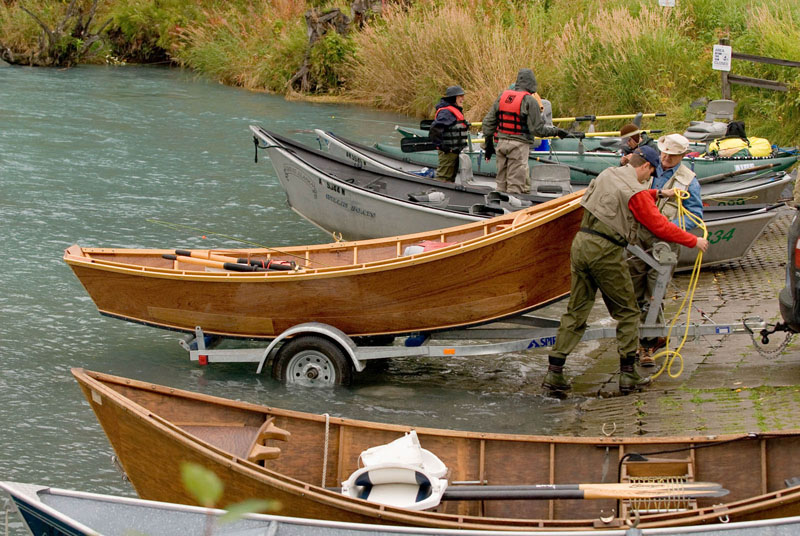
Latest official seasonal temperature outlook: warmer than normal is the headline
The current official trend points toward above-normal temperatures for much of Alaska during the September through November period, with the updated 90-day guidance still leaning that way in parts of the state. In practical terms, that can affect when water stays open, how long shoulder-season access lasts, and how quickly a sunny morning can turn into a wet, cold afternoon.
That is why weather outlooks should be used as a planning tool, not a crystal ball. A warmer seasonal signal can be helpful for travel and comfort, but hunters and anglers should still prepare for rain, wind, frost, and surprise changes in visibility.
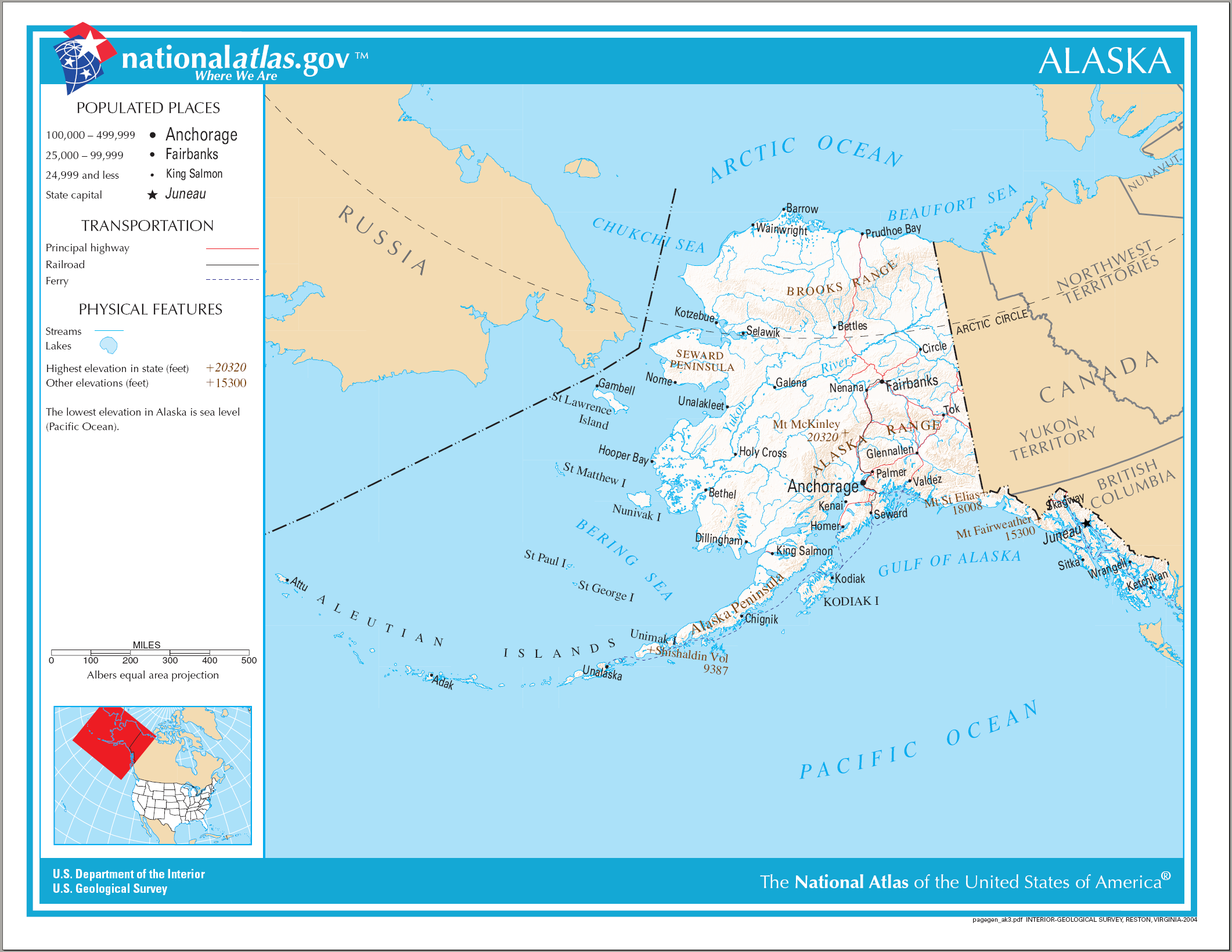
Why Alaska weather can feel different from one region to the next
One of the biggest planning mistakes is treating Alaska like one giant weather zone. Coastal conditions, interior river systems, and higher-elevation country can all feel completely different on the same week. Travel Alaska’s Alaska weather guide is worth a look because it reinforces the basic truth: the state is huge, and weather changes with location, season, and elevation.
That means a trip that looks mild on paper may still involve wet boots, cold hands, a breeze that sneaks through every seam in your jacket, and access delays if weather shifts. Pack for the trip you are likely to get, not the one you are hoping the clouds will spare you.
- Coastal trips often need extra rain protection and quick-dry layers.
- Interior trips can swing from mild afternoons to chilly evenings fast.
- Mountain terrain can bring wind and visibility changes even when nearby lowlands look calm.
- Water access and float travel can be affected by rain, wind, and temperature shifts.
Daylight, shoulder season, and why timing matters
Shoulder season is the in-between stretch where conditions can be productive, but also a little moody. It is a good time for some hunters and anglers, yet it often brings shorter days, cooler mornings, and more variable travel conditions. Travel Alaska notes that seasonal daylight and weather vary widely by region, which is a polite way of saying you should not assume your watch and your jacket can negotiate with the sun.
For guests, timing matters in three ways:
- Species timing: fish runs, migration patterns, and game movement all follow seasonal rhythms.
- Access timing: roads, boats, aircraft, and trails can become easier or harder to use quickly.
- Comfort timing: the same camp can feel fine in September and stubbornly cold a few weeks later.
If you are comparing hunt dates or fishing windows, our hunting information, fishing information, and blog updates can help you sort through the basics before you commit to a route or species.
Regulations still come first
Weather affects comfort, but regulations affect whether the trip matches your goals at all. The Alaska Department of Fish and Game makes it clear that hunting regulations, emergency orders, and in-season closures can change. Before you travel, check the official ADF&G hunting regulations hub and the Where and When to Hunt in Alaska page for current guidance.
If your plan includes fishing, the same common-sense rule applies: confirm the current rules for the species, drainage, and dates you are actually using. Regulations are not the exciting part of trip planning, but they are the part that keeps the exciting part legal and sane.
For questions that need a human answer, use our contact page. If you want the broader story behind the business and the kinds of trips we help coordinate, learn more about us.
Packing checklist for Alaska wilderness trips in this season
Warm outlook or not, the packing list should still be built for wet ground, changing skies, and long days outside. Think layers, dry backups, and items that make bad weather merely annoying instead of memorable in a bad way.
- Waterproof outer shell and rain pants
- Base layers that dry quickly
- Insulating midlayer such as fleece or lightweight puffy jacket
- Wool or synthetic socks, plus an extra dry pair
- Waterproof boots suitable for the terrain
- Warm hat, gloves, and a spare set of gloves
- Dry bags or waterproof stuff sacks for clothes and electronics
- Binoculars or spotting optics with lens cloths
- Headlamp with extra batteries for shorter daylight
- Trip documents, licenses, and regulation notes
- Snacks and a water system that works in cold, wet conditions
One practical tip: pack the last two items you think you will need before the trip, because Alaska has an excellent talent for making “just in case” feel like a very reasonable idea.
Plan early, confirm the rules, and match the trip to your tolerance
The best Alaska trips are usually the ones that match the season honestly. That means choosing dates that fit your target species, your preferred region, and how much weather you are happy to shrug off with a smile. If you want a quick next step, start with the homepage and then move into the pages that fit your trip style.
Book early if you can, check regulations again right before departure, and use seasonal outlooks as one input among many-not the only one. Alaska rewards people who plan carefully and punish people who pack like optimism alone is a rain jacket.