Choosing the Right Locations for Activities
The strongest multi-activity itinerary starts with geography, not ambition. In Alaska, the best fishing, hunting, and hiking opportunities are often separated by weather windows, water access, and transfer time. A practical plan favors regions where two or more activities can be combined without long backtracking.
As a rule, decide first whether you want to anchor the trip around a lodge, a road-accessible base, or a fly-in destination. Then compare the activity mix available in that area. A location that supports salmon fishing and guided day hikes may be more efficient than chasing a perfect bucket list across three distant regions.
- Fishing access: Look for rivers, tidal waters, or lakes that match your target species and preferred method.
- Hunting access: Confirm season timing, unit rules, and whether guided access is required for your trip type.
- Hiking access: Favor trailheads or backcountry routes that can be reached without consuming a full travel day.
For general trip context, the home page outlines the broader expedition focus, while the about page provides background on the style of trips the site highlights. For outside planning references, Alaska’s official visitor guidance at Travel Alaska and the state’s hunting and wildlife information at Alaska Department of Fish and Game are useful starting points.
Balancing Time Between Activities
The common planning mistake is overloading the schedule. A multi-activity trip works best when each day has one primary objective and one secondary option. That leaves room for weather, travel, gear prep, and the simple fact that Alaska does not negotiate with optimism.
| Planning question | Reasonable default |
|---|---|
| How many activities per day? | One main activity, plus an optional short add-on if travel is minimal. |
| How much buffer time? | At least half a day across the itinerary, more if flights or boats are involved. |
| When to place hiking? | On lighter travel days or at the start/end of the trip when energy is highest. |
If fishing or hunting is the primary objective, put those commitments at the center of the schedule. Use hiking as either a warm-up activity or a recovery day. If the goal is balance rather than intensity, alternate high-effort days with lower-effort scenic walks and lodge time.
Seasonal timing also matters. Peak fishing, big-game opportunities, and trail conditions do not always align neatly. Check current conditions through the National Park Service Alaska region and regional travel resources before locking the itinerary.
Logistical Considerations
Logistics often determine whether a trip feels seamless or fragmented. Transportation inside Alaska can involve rental vehicles, scheduled flights, charters, boats, or a combination of all four. The more remote the base, the more important it is to confirm luggage allowances, transfer times, and the order in which activities will happen.
- Transportation: Build the trip around the transfers you can actually control.
- Licenses and permits: Confirm fishing licenses and any required hunting permits before departure.
- Packing: Carry layered clothing, waterproof outerwear, waterproof boots, optics, insect protection, and storage for wet gear.
- Food and recovery: Plan for long days by keeping snacks, water, and a realistic pace.
For permit and regulation basics, start with the official Alaska resources for licenses and permits. For broader safety and access planning, review the state visitor guidance and discuss the final route with your outfitter before you book anything nonrefundable.
Recommended Guides and Outfitters
A good guide reduces friction. A strong outfitter helps you make tradeoffs before they become problems in the field. The best fit is usually the one that matches your priorities: fishing emphasis, hunting emphasis, hiking access, comfort level, and the amount of structure you want each day.
| What to evaluate | Why it matters |
|---|---|
| Local experience | Improves route choice, timing, and contingency planning. |
| Activity mix | Not every guide service is built for fishing, hunting, and hiking in one trip. |
| Communication | Clear answers are a better sign than enthusiastic vagueness. |
| Safety practices | Critical for weather, wildlife, water, and remote travel conditions. |
Use the blog index for more planning articles, and compare guide options against official regional guidance before committing. If a provider cannot explain the seasonal tradeoffs in plain language, keep looking. Confusion is expensive.
Sample Itineraries
The following examples are starting points, not templates. Good itineraries are edited, not worshipped.
Three-day balanced itinerary
- Day 1: Arrive, settle in, and complete a short hike near the lodge or base camp. Use the rest of the day for gear checks and route review.
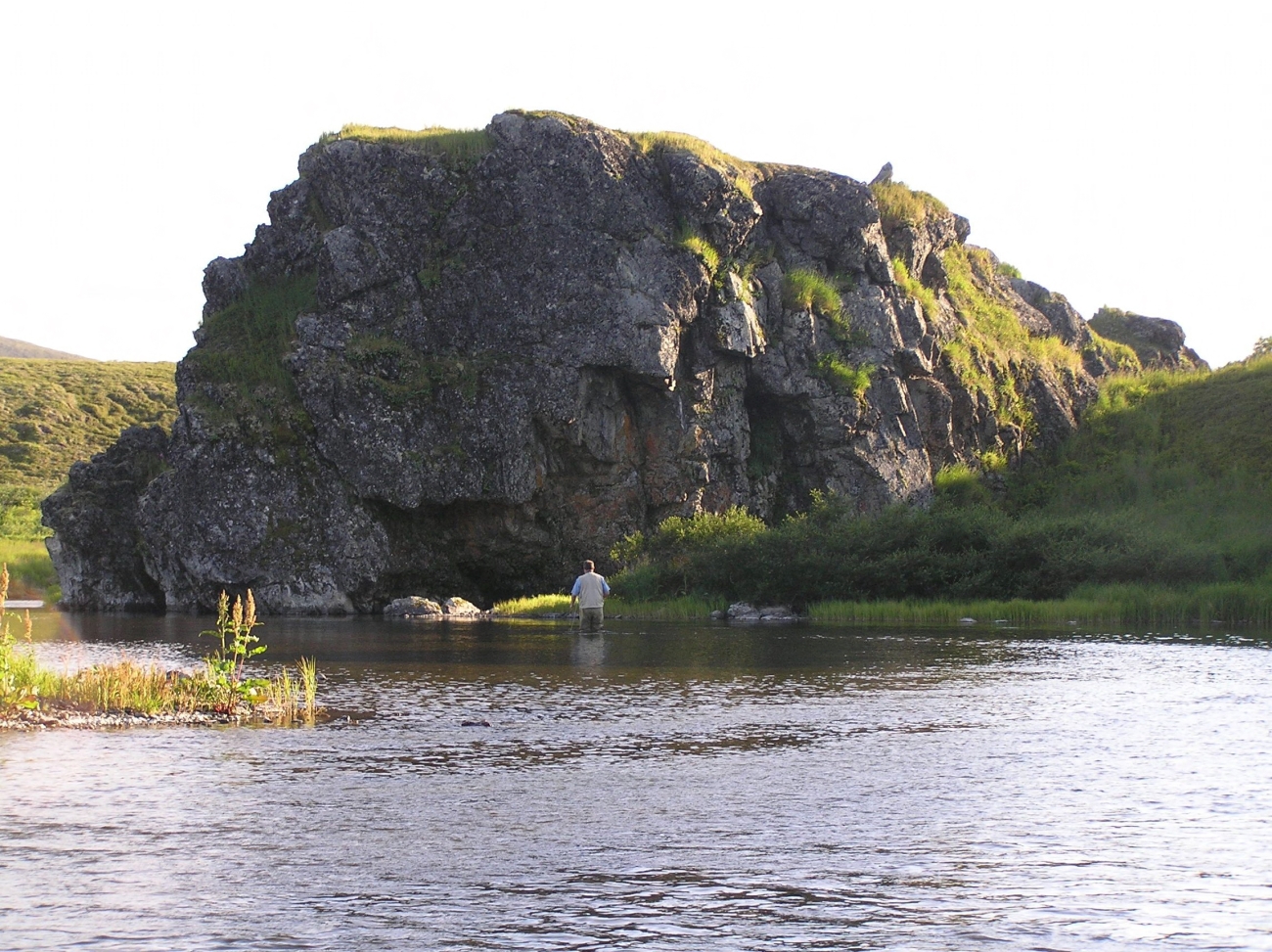
- Day 2: Spend the full day on fishing. Keep the evening flexible for a brief shoreline walk or wildlife viewing.
- Day 3: Focus on hunting or a guided scouting day, then close with a shorter hike or recovery period depending on conditions.
Fishing-first itinerary
If fishing is the priority, dedicate the first two days to waters with the best timing and use hiking as an early-morning or evening add-on. Put hunting only where regulations and season windows clearly support it.
Adventure-balanced itinerary
If you want the broadest experience, aim for one signature activity per day and keep one flexible block in reserve. That buffer is usually where the trip becomes memorable instead of merely busy.
For further planning, explore the about page and the blog for related trip guides. If you want a broader overview of the site, the homepage remains the cleanest place to start.
Final Planning Priorities
- Choose a region that supports more than one activity without excessive transfer time.
- Protect the schedule with weather and travel buffers.
- Confirm licenses, permits, and seasonal rules before booking.
- Hire guides who can explain tradeoffs clearly and support the mix you want.
- Use sample itineraries as a structure, then adjust them to your goals and pace.
In Alaska, the best multi-activity trips are usually the ones that resist overplanning. Pick the right base, make the tradeoffs visible, and leave enough slack for the trip to work as conditions change.