A guided fishing trip in Alaska is not just a convenience purchase; for many anglers, it is the fastest way to convert a complicated destination into a productive and safer day on the water.
Before booking, most readers are trying to answer a few practical questions: Is a guide worth the extra cost? Does a guide really improve catch odds? Which parts of an Alaska trip become easier, and which parts still require preparation? Those are sensible questions, because Alaska offers extraordinary fishing opportunity, but it also asks for better planning than many lower-complexity destinations.
That complexity is real. Alaska anglers need to match species, season, access method, and local regulations, and those rules can change by area and emergency order through the Alaska Department of Fish and Game sport fishing regulations. Conditions on larger rivers, coastal water, and saltwater runs also depend on weather and navigation realities tracked through resources such as the National Weather Service Alaska marine forecasts. In other words, Alaska rewards preparation and punishes vague assumptions with impressive efficiency.
This guide focuses on decision criteria rather than romance. You will learn what guided fishing trips usually include, where guides create the most value, how the cost-benefit math changes by experience level, and when an independent trip can still be a reasonable default. If you want more trip-planning context after this article, the site blog and services pages provide additional direction.
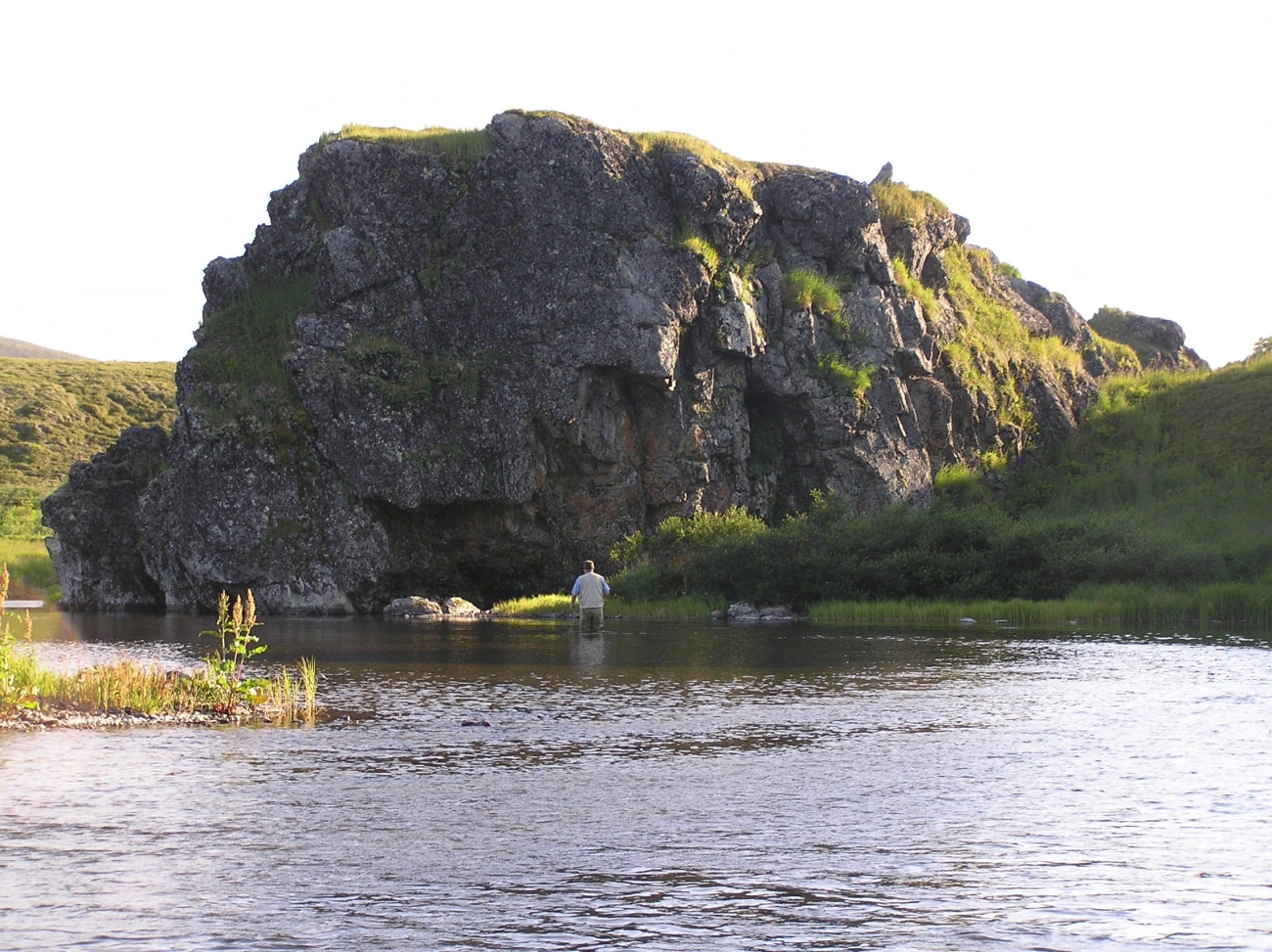
What a guided fishing trip usually includes
A guided trip is a structured fishing day or multiday package led by a person or team responsible for route planning, local water selection, equipment support, basic instruction, and a meaningful share of the safety burden. The exact format varies. Some trips are single-day salmon outings on road-accessible rivers. Others are lodge-based programs, saltwater charters, float trips, or fly-out adventures with more logistics bundled into the price.
The central value of a guide is not that a guide can guarantee fish. No honest guide can do that. The value is that a guide reduces avoidable mistakes in location choice, timing, rigging, navigation, and trip pacing. That is especially useful in Alaska, where distances are longer, conditions can shift quickly, and a poor decision can waste a large share of a short travel window.
For most anglers, the package may include some combination of rods, reels, tackle, bait or flies, waders, boat time, fish handling guidance, and local instruction. On more complete programs, it may also include meals, lodging, airport transfers, or fish processing coordination. That bundled structure matters because the decision is not just “guide versus no guide.” It is often “integrated trip system versus self-managed chain of small decisions.”
1. Expert local knowledge is the biggest advantage
If you strip the decision down to one factor, this is usually it. Alaska has too much water for generic advice to be enough. A local guide may know which side channel is fishable after rain, which bank is too crowded at a given hour, when a tidal window is worth moving on, or when a run is present but holding differently than the previous week. Those distinctions are difficult to buy with internet research alone.
That matters for both novice and experienced anglers. A beginner needs help finding productive water at all. A skilled angler from another region may already know presentation, hook sets, and fish-fighting technique, but still lose time because Alaska species behavior, current strength, or access patterns differ from familiar home waters. A guide compresses that learning curve.
The same principle applies to regulations and species expectations. Alaska fish management is detailed, with regional differences, emergency orders, and area-specific limits published by the state. NOAA Fisheries also maintains broader Alaska fisheries management information that underscores how carefully these waters are managed at scale through its Alaska regional fisheries resources. A competent guide helps translate that policy environment into real on-the-water choices: what species to target, what retention rules apply, and when it makes sense to switch plans rather than forcing a poor setup.
Good local knowledge improves more than catch rates; it improves decision speed. On a short trip, that can be the difference between spending the morning fishing and spending it driving, re-rigging, second-guessing, and discovering that the “popular spot” from a map search is popular for a reason you would not have chosen.
2. Safety is often undervalued until conditions get difficult
Many anglers think about guides primarily in terms of fish numbers. That is understandable, but incomplete. Alaska introduces practical safety issues that are easier to underestimate from a distance: cold water, fast weather changes, boat handling, tidal timing, remote road access, wildlife awareness, and the simple fact that help may not be close.
For saltwater or larger-boat trips, forecasts and marine conditions are not background details. They shape the entire day. The National Weather Service marine forecast pages exist for a reason, and the U.S. Coast Guard’s recreational boating guidance emphasizes essentials such as life jackets, emergency preparation, and responsible operation on open water through its recreational boating safety resources. A guide or charter captain brings local judgment about when to launch, when to move, and when not to push the schedule just because the calendar says “booked.”
River trips have their own risk profile. Wading depth can change faster than visitors expect. Gravel bars that look simple from shore may fish poorly or create awkward return routes. Remote banks can mean limited communication, long drives, and a harder recovery if someone gets hurt or loses key gear. A guide is not merely there to point at fish; a guide manages the day so that small issues stay small.
This is one of the clearest pros-and-cons distinctions in the article. If you already know the water, own the right safety gear, understand local weather patterns, and have a reliable partner system, the safety advantage of a guide narrows. If any of those conditions are missing, the safety benefit becomes materially more important. Alaska is not the best place to improvise your standards.
3. Gear, tackle, and logistics become simpler
One common mistake in self-planned Alaska trips is solving the wrong problem first. Anglers spend weeks comparing premium rods or researching luggage limits, then arrive without clarity on current speed, presentation depth, terminal tackle, or whether a boat, raft, or walk-in setup is the better match for the water. A guide tends to reverse that order. First comes the fishery, then the equipment plan.
That can save money as well as hassle. Guided trips often include quality rods, reels, tackle, and local rigging choices that suit the target species and season. Instead of purchasing specialized gear for a single trip, many travelers can use the outfitter’s setup and reserve personal spending for items that remain useful afterward. For fly-in or airline-heavy itineraries, reducing the amount of gear you must transport can also reduce loss, breakage, and baggage stress.
The benefit is not universal. Some experienced anglers prefer their own tackle for good reason, especially if they have strong preferences around fly lines, lure selection, electronics, or fish-fighting drag settings. But even in that scenario, a guide can provide a local adjustment layer: bring your gear, then refine it once the real conditions are visible. That is usually a better workflow than guessing from photos or forum threads alone.
Convenience becomes more valuable when the trip is short, remote, or shared with less-experienced anglers. Families, mixed-skill groups, and first-time visitors usually gain the most from a setup where somebody else has already solved the hard operational questions.
4. Personalized instruction improves the trip even when fishing is slow
Guided trips are often described as if they only matter on banner days. In practice, the opposite can be true. A skilled guide adds value even when fish activity is uneven, because the day still produces information: how to mend line in stronger current, where to stand to avoid drag, how to set depth for salmon versus trout, how to fight a fish from a moving boat, or when to change cadence instead of changing confidence.
This matters because a successful trip is not only measured in harvested fish. It is also measured in skill transfer, confidence, and whether the angler leaves better prepared for the next outing. Beginners often benefit from direct coaching on technique and fish handling. Intermediate anglers tend to gain more from pattern recognition: why this seam, why this drift, why this bait color, why this time of day. That kind of explanation is the difference between a guided day that entertains you and one that actually teaches you.
There is also a pacing benefit. Good guides read the group as well as the water. They know when to keep a novice on a simpler presentation, when to move an experienced angler into a more technical setup, and when to trade ambition for a steadier, more enjoyable day. In that sense, guided trips are personalized not only by species target, but by patience level, physical comfort, and learning style.
5. Better access and time efficiency can justify the cost
Many Alaska trips are constrained by time more than by enthusiasm. Travelers may have one or two usable fishing days inside a larger itinerary. In that situation, efficiency matters. A guide can often reduce the dead time that independent anglers accept as normal: sorting access permits, figuring out launch routines, scouting multiple spots, decoding local etiquette, or discovering too late that a chosen stretch is poor for the present conditions.
On some trips, the value is literal access. That may mean a boat ride to water that is impractical from shore, safer movement through tide-sensitive areas, or reaching better holding water without burning hours on trial and error. On other trips, the value is sequencing: the guide has already built a plan B and plan C for changing water levels, wind, or fish movement. Those contingency plans are where good operations work hides.
Independent anglers can absolutely succeed in Alaska, especially on repeat visits or well-researched road-access trips. But if the goal is to maximize a limited window, guided access often buys more than comfort. It buys a higher percentage of the day spent doing the thing you traveled for.
Cost vs. benefit: when the numbers make sense
Guided trips are more expensive upfront. That is the obvious drawback, and it should be stated plainly. But the cleaner question is whether the premium replaces other costs or lowers the chance of a low-value outcome. If you would otherwise rent gear, miss productive windows, spend extra nights correcting mistakes, or turn a short Alaska trip into an extended logistics exercise, the guide fee may compare more favorably than it first appears.
| Decision factor | Guided trip | Independent trip |
|---|---|---|
| Upfront cost | Higher initial spend, often with gear or boat costs bundled | Lower fee on paper, but more separate spending decisions |
| Learning curve | Shorter; local instruction is part of the package | Longer; requires pre-trip research and on-site experimentation |
| Safety margin | Usually stronger, especially on remote or marine trips | Depends heavily on your own skills, partner, and preparation |
| Gear burden | Often lighter because tackle and equipment are supplied | Higher, especially for specialized species or fly-out travel |
| Flexibility | Structured around a guide’s plan, though strong guides adapt well | Maximum independence, if you know enough to use it well |
| Best fit | First visits, limited time, mixed-skill groups, complex water | Repeat visitors, experienced locals, simple road-access plans |
The cost-benefit answer therefore depends on context. For a first Alaska fishing trip, a guided day is often a reasonable default because it converts uncertainty into structure. For a traveler who already knows the region, owns the right equipment, and prefers independent exploration, the incremental value may be lower. Neither option wins universally. The best fit depends on how much risk, friction, and trial-and-error you are willing to absorb.
Pros and cons at a glance
Most readers do not need a dramatic conclusion here. They need a fair list.
Clear advantages
- Faster access to productive water: you spend less time guessing where to begin.
- Safer execution: weather, boating, and remote-area decisions are handled by someone with local context.
- Less gear friction: tackle, rigging, and boat logistics are often included or simplified.
- Better learning value: a strong guide explains the why behind adjustments, not just the what.
- Better group management: families and mixed-experience groups usually have a smoother day.
Reasonable drawbacks
- Higher upfront cost: there is no sensible way around this; the premium is real.
- Less total independence: you operate within the guide’s schedule and process.
- Quality varies by operator: a mediocre guide can still leave you paying for structure without much insight.
- Not always necessary: some road-access fisheries are perfectly manageable for well-prepared anglers.
What anglers usually value afterward
When people describe a good guided Alaska fishing day, the praise is usually practical rather than theatrical. In composite form, the feedback often sounds like this:
“We spent our time fishing instead of trying to decide where to start.”
“The safety briefing, boat handling, and local adjustments mattered more than I expected.”
“I left with techniques and decision rules I can actually use on the next trip.”
Those reactions point to a useful distinction. The best guided trips do not merely create action shots. They reduce uncertainty, increase usable learning, and keep the day coherent when conditions are average rather than perfect. That is a more durable benefit than a single photo with one memorable fish.
Three scenarios illustrate where that value tends to show up:
- First-time Alaska angler: the guide removes the burden of choosing the right water, tackle depth, and timing while teaching basic local technique.
- Experienced angler from another region: the guide translates existing fishing skill into Alaska-specific decisions about current, species behavior, and access.
- Family or mixed-skill group: the guide keeps the trip paced for enjoyment while still giving stronger anglers enough technical interest.
How to decide if hiring a guide is the best fit
If you are still unsure, use this short checklist:
- Hire a guide if this is your first Alaska fishing trip, your schedule is tight, or the trip involves a boat, remote access, or saltwater conditions.
- Lean toward a guide if you are traveling with children, inexperienced partners, or anyone who would benefit from a steadier pace and less gear management.
- Consider a hybrid approach if you want both learning and independence: book one guided day early, then fish independently afterward with a better local framework.
- Go independent only if you already understand the target fishery, have current regulation and weather habits, and are comfortable owning the safety and logistics burden yourself.
That hybrid approach is often the most efficient compromise. One guided day can function as field research for the rest of the trip. You learn access points, presentation patterns, safety expectations, and realistic daily pacing, then decide whether additional guided days are worth the premium.
Conclusion: guided trips buy more than convenience
The main benefit of a guided fishing trip in Alaska is not luxury. It is better decision quality under conditions that punish bad assumptions. Guides add value through local knowledge, safety judgment, equipment support, and trip personalization. For first-time visitors and time-limited travelers, those benefits often outweigh the higher upfront cost.
That does not mean every angler needs a guide every time. Experienced, well-prepared travelers can do well on their own, particularly on simpler road-access trips. But if your goal is to reduce risk, shorten the learning curve, and spend more of the day fishing rather than managing uncertainty, a guide is usually the safest reasonable default.
Choose the trip structure that matches your actual experience, not the one that flatters your optimism. Alaska is generous, but it expects competence in return.