Conservation is not a side issue in Alaskan hunting. It is the operating rule that keeps the same wildlife, habitat, and access available next season.
When people search for this topic, they are usually asking sensible questions. How can hunting support wildlife conservation instead of harming it? Why do seasons, tags, and bag limits matter so much? What makes one hunting practice sustainable and another careless? And how do Alaska’s rules fit into the larger picture of healthy wildlife populations?
The answer starts with the regulations themselves. Alaska’s hunting framework is built around season dates, species-specific limits, local area rules, and habitat protection, and the Alaska Department of Fish and Game publishes the current hunting guidance that hunters are expected to follow. In national parks and other federally managed lands, the National Park Service also sets clear boundaries for where hunting is allowed and how access is managed. Those are not bureaucratic decorations. They are the operating conditions that make a long-term hunting tradition possible.
This article explains what conservation means in practical terms, how hunting contributes to conservation work, what the main regulations are trying to protect, and which Alaska initiatives show the system working. If you want more seasonal planning context after this, the site blog and services pages offer related trip-planning and outfitter guidance.
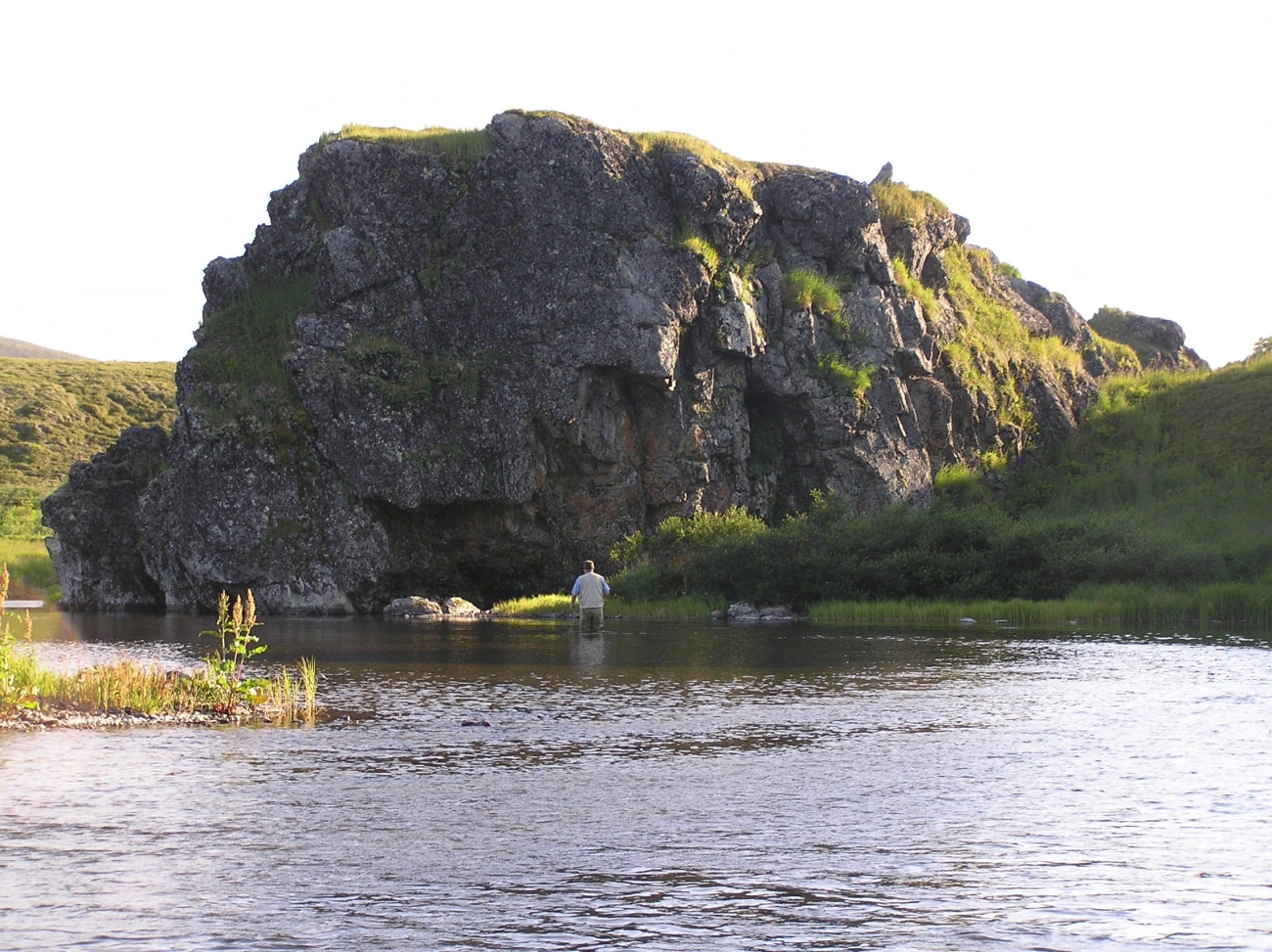
What conservation means in Alaska hunting
Conservation is the active management of wildlife, habitat, and human use so that populations remain healthy over time. It is not a slogan, and it is not the same thing as simply leaving land untouched. In Alaska, conservation usually means a mix of population monitoring, habitat protection, regulated harvest, and seasonal decisions that try to keep wildlife productive year after year.
The central conservation question is not whether animals should exist in isolation. The question is whether a species, its habitat, and the people who depend on it can all remain in a workable balance. That balance changes by species, region, weather, and food availability. A stable conservation system has to account for all of those variables.
One reason hunting matters is that regulated harvest is part of that balance. When wildlife populations grow beyond what local habitat can support, animals can suffer from food stress, disease pressure, or harsher winter survival. Managed harvest is one of the tools wildlife agencies use to keep populations closer to the habitat’s actual carrying capacity. That is a dull phrase for a real job: deciding how many animals the land can support without degrading the system.
| Term | Plain-language meaning | Why it matters in Alaska hunting |
|---|---|---|
| Conservation | Managing wildlife and habitat so they stay healthy over time | Sets the long-term goal for hunting policy and habitat decisions |
| Habitat | The food, cover, water, and space wildlife needs to survive | Without habitat, good hunting seasons do not matter for long |
| Sustainable harvest | Taking a limited number of animals without damaging the population | Turns hunting into a managed use instead of an extractive rush |
| Population objective | The target range agencies use to guide management decisions | Helps set seasons, quotas, and other rules with a clear purpose |
| Intensive management | Focused action to keep game populations within productive levels | Shows how Alaska combines hunting, science, and habitat control |
That table is the first baseline. Conservation is not an abstract ideal floating above the hunt. It is the management logic under the hunt.
How hunting supports conservation
Hunting supports conservation in three main ways: it helps fund wildlife management, it gives agencies and biologists data from the field, and it helps balance populations when growth starts to outpace habitat. Each piece matters. Remove one and the system gets weaker. Remove all three and the phrase “conservation hunting” becomes just a slogan.
1. Hunting generates funding for wildlife work
One of the clearest funding channels comes through license revenue and federal wildlife restoration programs. The U.S. Fish and Wildlife Service explains the Wildlife Restoration Program, which directs excise tax revenue from hunting equipment back into wildlife restoration, management, and related projects. That system matters because it creates a practical loop: hunters help fund the management that keeps wildlife populations healthy enough to hunt in the future. See the U.S. Fish and Wildlife Service Wildlife Restoration Program for the federal side of that equation.
In Alaska, state hunting licenses and related fees also support the day-to-day work of wildlife management. Biologists do not manage game populations on sentiment. They do it with budgets, surveys, field time, and reporting systems that have to be paid for. When hunting is treated as part of conservation, the money follows the mission instead of sitting outside it.
That is the first important lesson: regulated hunting is not merely a use of wildlife; it is one of the ways wildlife management gets financed. People sometimes talk as if hunters are separate from conservation. In practice, they are often one of the groups underwriting it.
2. Hunters provide on-the-ground information
Wildlife agencies need data, and Alaska’s scale makes field information especially valuable. Hunters observe where animals are moving, how body condition changes through the season, where access pressure is rising, and whether a particular area is under stress. That does not replace scientific surveys, but it does complement them.
Good hunters also report harvests, check in on regulations, and notice changes that matter to managers. In a state where weather, terrain, and distance make every observation expensive, that practical information has real value. The system works better when hunters treat themselves as participants in the management loop instead of consumers waiting for somebody else to solve the whole problem.
3. Regulated harvest helps keep populations in balance
Not every population problem is solved by adding protection. Sometimes the stronger conservation move is carefully managed harvest. If a species grows beyond the available habitat, the result can be overbrowsing, reduced forage quality, and lower survival across the following seasons. In those cases, removal of a limited number of animals can protect the larger herd or local ecosystem.
That is why conservation and harvest are not opposites in Alaska. They are tools in the same system. The objective is not maximum take. The objective is a population that remains healthy, productive, and compatible with the land. That is a steadier standard, and a better one.
Regulations and sustainable practices
Regulations are the line between conservation and depletion. They are also the line between a serious hunting culture and an opportunistic one. Alaska’s rules can look detailed from the outside, but each detail exists for a reason: to protect seasons, species, local populations, and the long-term trust that keeps hunting socially and biologically defensible.
The Alaska Department of Fish and Game’s current hunting information covers species seasons, area rules, licenses, bag limits, permits, and other requirements that hunters need to understand before they go. Where hunting occurs in federal parks, the National Park Service hunting guidance explains the framework for those lands. The point is simple: conservation depends on using the right rule set for the right place.
For Alaska specifically, the rules often change by game management unit, species, and local conditions. A hunter who knows the general concept but skips the specific area regulation is not prepared. In this state, that shortcut has a cost.
What the main regulations are trying to protect
- Population health: keeping harvest within levels the wildlife population can sustain.
- Reproductive success: avoiding pressure during periods when animals are breeding, birthing, or recovering.
- Habitat condition: preventing overuse of the same land and forage areas.
- Public trust: keeping hunting ethical, visible, and defensible to other users of the land.
- Future access: making sure today’s choices do not close off tomorrow’s opportunities.
Sustainable hunting practices that hold up in the field
| Practice | Conservation effect | Failure mode if ignored |
|---|---|---|
| Check the current area rules before departure | Avoids accidental violations and supports population targets | Harvesting out of season or in the wrong unit |
| Take only ethical shots within your real range | Reduces crippling loss and unnecessary animal suffering | Wounded game, wasted meat, and higher disturbance |
| Respect closures and refuge boundaries | Protects critical habitat and sensitive wildlife periods | Pressure on areas that need recovery time |
| Recover, process, and use the animal carefully | Reduces waste and keeps harvest accountable | Wasted meat and a poorer public case for hunting |
| Report harvests and follow check-in procedures | Improves the data agencies use to manage seasons | Less accurate population management |
Ethical hunting is not an accessory to conservation. It is the minimum standard that makes conservation-based hunting credible. If the behavior in the field does not match the policy on paper, the system fails where it matters most.
Success stories and initiatives
Conservation is easier to defend when it produces visible results. Alaska has several examples of management systems that show how hunting, habitat, and regulation can work together instead of against each other. None of them are perfect. That is not the point. The point is that they are structured, measurable, and adaptable.
Intensive management is a concrete example of conservation in action
Alaska’s intensive management framework is designed to keep certain game populations at levels that support both biological health and human use. The Alaska Department of Fish and Game describes these programs as part of its broader wildlife management work. The idea is not to maximize harvest for its own sake. It is to keep a population within a range where habitat, reproduction, and hunter opportunity can all remain viable. The department’s intensive management program page is a useful reference for how that policy is framed.
That is a strong conservation model because it is operational, not symbolic. It uses population monitoring, habitat decisions, and harvest control as one system. Hunters benefit, but only because the animals and habitat benefit first. That order matters.
Wildlife restoration funding keeps the system moving
The U.S. Fish and Wildlife Service’s Wildlife Restoration Program is another success story worth naming. It shows how a hunting-related funding stream can be turned into habitat work, research, management support, and restoration. When done well, that funding model creates a durable loop: equipment sales support conservation, conservation supports wildlife, and healthy wildlife supports lawful hunting opportunity.
The point is not that every dollar goes to the same place or that every project produces a headline. The point is that the structure exists, and that structure is one reason North American wildlife management has remained more resilient than many people expect. A system with funding and feedback can adapt. A system without them drifts.
Managed access protects habitat as much as it protects animals
In parks, refuges, and other managed lands, access rules can look restrictive from the outside. In practice, they are often what protects the resource. The National Wildlife Refuge System exists to preserve habitat while still allowing compatible uses in the right places. The NPS hunting guidance serves the same general purpose on lands where hunting is allowed: protect the resource, define the rules, and reduce conflict before it starts.
That matters because conservation is not just about the animal in the scope. It is about the cover, migration corridors, winter range, and breeding ground that make the hunt possible at all. A conserved habitat produces better long-term outcomes than a popular shortcut ever will.
What a disciplined hunter actually does
If all of this sounds like a lot, the field version is simpler than the policy version. A disciplined hunter does a few ordinary things very well.
- Checks the current regulations for the exact unit, season, and species.
- Plans for a clean, ethical shot before ever stepping into the field.
- Takes only the harvest that is lawful, useful, and realistic to recover well.
- Respects closed areas, refuges, and sensitive habitat without treating them as suggestions.
- Supports the management system by reporting, learning, and staying current.
That list is not dramatic. It does not need to be. Conservation depends less on speeches than on repetition. A hunter who repeats the right habits is doing more for the future of the resource than someone who only talks about respecting the land.
Why the argument matters now
The conservation question in Alaska is not whether hunting belongs at all. Hunting already belongs. The real question is whether it belongs inside a clear management system or outside one. Alaska has chosen the first path. That choice only works if hunters understand their role.
When harvest is regulated, habitat is monitored, and rules are enforced, hunting becomes one of the ways a landscape can be used without being used up. That is the line worth holding. It is also the line worth explaining plainly to anyone who wants a future in Alaska hunting rather than a story about how things used to be better.
Common mistakes that weaken conservation
The most common failures are not dramatic. They are the routine ones: using outdated rules, assuming one game management unit behaves like another, and treating meat recovery as optional. Those mistakes can look small at the moment they happen. They become expensive later because they damage both the harvest and the public case for hunting.
A stronger baseline is simple. Verify the rules, match your shot distance to your real ability, and plan the recovery process before the hunt starts. If you cannot explain how you will locate, retrieve, and use an animal cleanly, the conservation standard has already slipped.
- Do not copy old notes without checking current regulations. Alaska area rules move, and old information ages quickly.
- Do not confuse legal with ethical. A shot can be lawful and still poor for conservation if the range, angle, or conditions are wrong.
- Do not assume access equals permission. Public land, refuge land, and park land often carry different rule sets.
- Do not leave recovery planning for later. Conservation includes the animal after the shot, not just the opportunity before it.
That is where conservation becomes practical instead of theoretical. It shows up in the way a hunter prepares, what a hunter respects, and how a hunter handles the result.
Conclusion
Conservation is the structure that makes responsible Alaskan hunting possible. It defines the limits, funds the work, and keeps wildlife populations and habitat productive over time. Hunting contributes to that system through funding, field observation, and carefully regulated harvest. If those pieces stay in place, the resource stays usable. If they slip, the damage is not theoretical.
The practical conclusion is straightforward: know the regulations, respect the habitat, and treat sustainable harvest as part of the hunt itself. That is how hunters help keep Alaska’s wildlife healthy and the tradition credible.
If you are planning a hunt or reviewing your own field standards, start with the current rules, then document one conservation habit you will not skip. The future of the hunt depends on small decisions that happen before the trigger is ever touched.