Choosing a fishing lodge in Alaska is not like booking a generic hotel. A lodge is a small wilderness machine: beds, boats, food, weather windows, fish care, and guest communication all have to click at the same time. When they do, the week feels effortless. When they do not, you end up remembering the lobby printer more than the river, which is never the dream.
If you want more trip planning and outfitter context after this, the site blog and services pages are the best places to keep exploring.
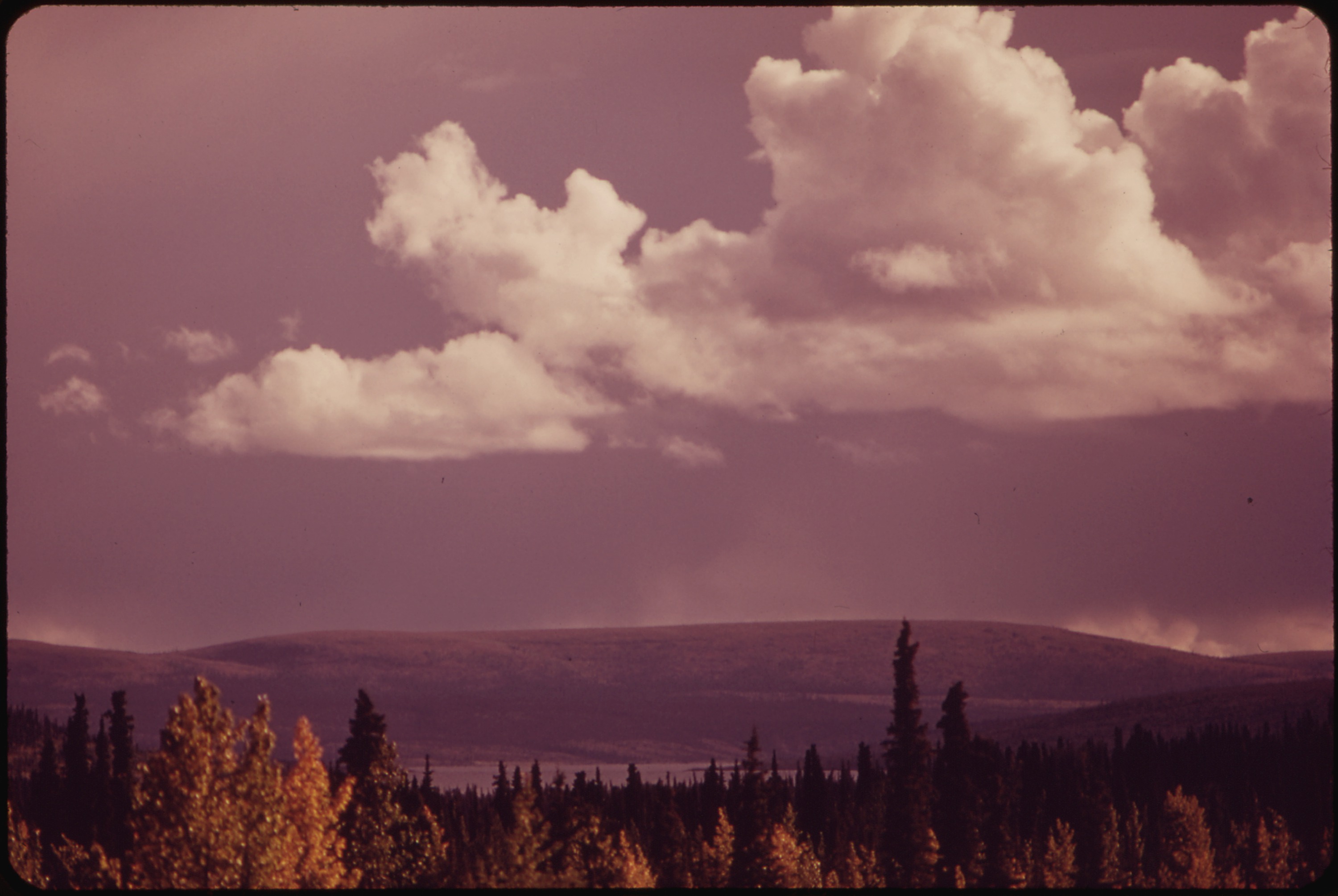
How to judge a fishing lodge
The best lodge for one angler can be the wrong lodge for another. So before chasing a glossy brochure, look at the boring magic: access, species fit, guide support, food, fish handling, and how clearly the lodge explains what happens when weather changes the plan.
- Access: fly-in, road-accessible, riverfront, or saltwater. The right answer depends on how much travel friction you want to absorb.
- Species mix: salmon, trout, halibut, char, grayling, or a multi-species itinerary.
- Guide support: the difference between “someone will point you to a boat” and “someone has already thought through the whole day.”
- Comfort level: cabins, shared rooms, dining, drying space, and whether the lodge feels rustic in a charming way or rustic in a “why is this door sticky” way.
- Communication: clear packing lists, response time, cancellation rules, and weather backup plans.
One small clue that a lodge’s back office is organized is whether reservations, guest notes, and trip prep live in one system instead of a dozen tiny disasters. For operators trying to corral that mess, a web app generator can be a practical starting point.
Before you book, compare season timing, bag limits, and trip logistics with official sources. The Alaska Department of Fish and Game’s sport fishing page is the clearest place to start, and Travel Alaska’s fishing guide is useful for a broader trip-planning view. If your itinerary touches park-adjacent water or public lands managed under separate rules, check the National Park Service fishing guidance as well.
Top 5 fishing lodges reviewed
This is a practical buyer’s review, not a spreadsheet dressed up as a personality. These are five Alaska lodges that tend to come up when anglers compare serious fishing trips, and each one solves a slightly different problem.
| Lodge | Best for | Main strength | Main trade-off |
|---|---|---|---|
| Waterfall Resort | Saltwater anglers who want a polished all-in-one trip | Strong service, broad salmon-and-halibut appeal | Premium price and weather-dependent logistics |
| Alaska Rainbow Lodge | Fly-in trout and salmon travelers | Remote water, trophy-minded fishing, classic Alaska feel | More travel steps and less convenience |
| Rapids Camp Lodge | Serious multi-species trips with a premium finish | Remote Bristol Bay access and strong guide support | Not a budget option, and it knows it |
| Kenai Riverside Lodge | Road-access anglers who want an easier arrival | Convenience, river access, and simpler logistics | More people and less of a deep-wilderness mood |
| Katmai Lodge | Anglers who want a classic remote fishing experience | Bucket-list scenery and true wilderness energy | Travel complexity and weather sensitivity |
1. Waterfall Resort
Waterfall Resort is the one many anglers picture first when they think of a high-end Alaska fishing lodge. It is the kind of place that tries to remove friction from the trip so the only hard part left is deciding whether the day’s story starts with salmon or halibut.
Pros:
- Strong all-around fit for anglers who want a packaged experience.
- Good choice if you want lodge structure without having to micromanage every move.
- Feels polished enough for mixed groups where not everyone is a fish-obsessed goblin.
Cons:
- Usually sits in the premium tier.
- Like most Alaska trips, it still lives under the weather’s dictatorship.
- Best for travelers who value service and convenience as much as fishing volume.
2. Alaska Rainbow Lodge
Alaska Rainbow Lodge is a strong pick for anglers who care more about wild water and species variety than about being close to a road. It fits the person who wants the river to feel like the main character and the lodge to feel like the support staff, which is exactly the right hierarchy.
Pros:
- Excellent fit for fly-in anglers who want a classic remote Alaska trip.
- Appeals to people chasing trophy-minded fishing and less-crowded water.
- Works well for guests who want the lodge to match the scale of the landscape.
Cons:
- Requires more tolerance for logistics and weather delays.
- Not ideal if you want the easiest possible arrival day.
- Less useful for travelers who want a very predictable road-trip style vacation.
3. Rapids Camp Lodge
Rapids Camp Lodge is the kind of place people choose when they want the trip to feel both remote and carefully managed. That combination matters. Remote without structure is just inconvenience with scenery. Remote with structure is luxury wearing rubber boots.
Pros:
- Strong fit for anglers who want multiple species and a high-touch experience.
- Usually appeals to guests who care about guide support and trip coordination.
- Good option if you want a premium lodge that still feels rooted in real Alaska water.
Cons:
- Not cheap, and it does not pretend to be.
- Travel can feel more involved than a road-access lodge.
- Best for people who want the trip to be the whole event, not just an add-on to a bigger vacation.
4. Kenai Riverside Lodge
Kenai Riverside Lodge is the practical choice on this list. For anglers who want to fish Alaska without spending every ounce of energy on remote transfer logistics, a lodge on the Kenai side of the map can be the calm, competent option. No drama. No heroics. Just a good base and a famous river.
Pros:
- More convenient for travelers who prefer a road-accessible style of trip.
- Useful for mixed skill groups and families.
- Makes the logistics easier to explain to anyone who does not love bush-flight vocabulary.
Cons:
- Usually busier than the deep-remote options.
- Less of the “middle of nowhere, respectfully” feeling.
- Better for convenience-first travelers than for people chasing a full wilderness immersion.
5. Katmai Lodge
Katmai Lodge is the pick for anglers who want a trip that feels rugged in a very intentional way. It suits the guest who likes the phrase “remote Alaska” because it sounds like a promise instead of a warning label.
Pros:
- Strong wilderness appeal.
- Good fit for anglers who want a memorable, story-heavy week.
- Can feel more adventurous than a standard packaged lodge stay.
Cons:
- Travel and weather timing matter a lot.
- Not the best fit for guests who want the simplest possible trip plan.
- Less about convenience, more about experience.
Which lodge type fits which angler?
If you want the shortest path to a satisfying choice, match the lodge to your tolerance for logistics.
- Choose Waterfall Resort if you want the most polished saltwater-style package.
- Choose Alaska Rainbow Lodge if you want remote water and a more specialized fishing feel.
- Choose Rapids Camp Lodge if you want premium service without losing the wild edge.
- Choose Kenai Riverside Lodge if ease of arrival matters a lot.
- Choose Katmai Lodge if your ideal trip leans hard into wilderness and adventure.
The honest answer is that there is no single “best” lodge. There is only the best match for your fish, your travel style, your budget, and how much chaos you want between airport and first cast.
Conclusion
The best Alaska fishing lodges solve more than one problem at once. They make the fishing good, but they also make the trip feel organized enough that guests can stop acting like their own travel agency. That balance is the real product.
If you want a polished all-around trip, start with Waterfall Resort. If you want remote specialist water, Alaska Rainbow Lodge and Rapids Camp Lodge deserve a hard look. If convenience is the deciding factor, Kenai Riverside Lodge earns its place. And if you want the kind of trip that sounds slightly exaggerated when you tell it later, Katmai Lodge is the kind of place that leaves a mark.
Before you book anything, check the current rules, compare trip logistics, and decide whether you are buying fishing access, comfort, wilderness, or a careful blend of all three. That tiny bit of honesty saves a lot of expensive disappointment.
For more planning ideas, revisit the blog or the services page when you are ready to narrow the options.