If you want the cleanest rule for hiking in Alaska, decide on the weather window before you decide on the trail.
By Marcus Reed | July 24, 2026
When I plan a hike in Alaska, I start with four questions: How much weather can I tolerate? How much elevation gain can I handle? How quickly can I turn around if conditions shift? And which trail still feels worth the effort when the wind does what the wind always does here? As John Muir put it, “The mountains are calling and I must go.” Alaska just makes the invitation more expensive.
The practical part matters. Before you pick a route, compare the Kenai Fjords hiking options with the Denali National Park hiking routes, then check the Leave No Trace principles before you leave the parking lot. Those references are not decoration. They are the difference between a good day outside and a long, avoidable lesson.
This guide focuses on the best hiking trails in Alaska’s wilderness for a range of skill levels. You will get a clear look at five standout trails, what each one offers, how the difficulty levels compare, and the safety habits that matter most in Alaska. If you are choosing between a short scenic walk and a serious alpine climb, the answer is usually in the weather report and the map, not the brochure.
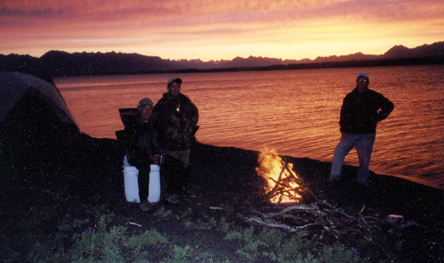
Hiking In Alaska: What Makes The State Different
Alaska is not one hiking environment. It is several. A route near Anchorage can feel like a polished day hike with quick access and strong trail traffic. A route in Denali State Park can become a long, exposed commitment with weather that changes faster than your energy level. The right trail depends on conditions, not optimism. That is a useful habit. The state punishes guessing and rewards preparation.
Wildlife is part of the appeal, but it is not a sideshow. Hikers may see moose, bears, marmots, sheep, or eagles depending on the region and season. Scenic value also changes fast: tree line, tundra, glacier views, coastal views, and ridge walking can all appear on the same trip. That variety is the point. It is also why hikers should choose trails based on skill, daylight, and weather rather than chasing the longest trail name they can find.
Top 5 Hiking Trails In Alaska’s Wilderness
The list below is built for range. It includes an accessible glacier walk, a famous Anchorage summit, a serious national park climb, and a backcountry ridge route for hikers who want something larger than an afternoon outing. If you only remember one thing, remember this: the best trail is the one that fits the day you actually have.
| Trail | Difficulty | Best For | What Stands Out |
|---|---|---|---|
| Harding Icefield Trail | Hard | Experienced hikers who want a major payoff | Steep climb, glacier views, and a true Kenai Fjords feel |
| Flattop Mountain Trail | Moderate to hard | Anchorage hikers who want a classic summit day | Short distance, steady gain, and wide city-to-mountain views |
| Mount Healy Overlook Trail | Moderate to hard | Denali visitors who want a strong workout | Tundra, boreal forest, and open Alaska Range views |
| Byron Glacier Trail | Easy | Families, beginners, and short-day hikers | Glacier valley scenery with minimal commitment |
| Kesugi Ridge Trail | Hard | Backcountry hikers and multi-day planners | Long ridge walking with big mountain exposure |
1. Harding Icefield Trail
Harding Icefield Trail is one of the most serious day hikes in the state and one of the most rewarding. It climbs above Seward in Kenai Fjords National Park and gives hikers a direct look at the scale of Alaska’s icefields. The trail is steep, exposed, and weather-sensitive, which is exactly why it belongs near the top of any Alaska hiking list. There is no sense pretending otherwise.
Why it stands out: The route rises through forest, alpine meadow, and rocky terrain before opening to broad glacier and icefield views. On a clear day, the reward feels oversized for a single hike. On a cloudy day, it still feels like Alaska. That is enough for most people.
What to expect: A long climb, slick sections after rain, and conditions that can change quickly with wind and cloud cover. This is not a casual fitness walk. Bring layers, plenty of water, and enough time to descend safely.
Best for: Hikers with solid conditioning who want a hard trail with an obvious payoff. If you are trying to compare effort against reward, this is a strong case for both.
2. Flattop Mountain Trail
Flattop Mountain is the classic Anchorage summit hike for a reason. It is close enough for a half-day outing, steep enough to feel real, and popular enough that you will not feel alone out there on a good weekend. The trail is a short drive from the city, but the view from the top quickly reminds you that Anchorage is a frontier town with better coffee than most frontier towns had any right to expect.
Why it stands out: Flattop gives hikers a lot of scenery in a small package. The climb is direct, the upper trail can be rocky, and the summit area opens to views of Anchorage, Cook Inlet, and the Chugach range. If the sky is clear, the view does the selling.
What to expect: Steep grades, loose footing in places, and weather that can shift from bright to ugly in a hurry. This is a better choice for hikers who are comfortable with elevation gain than for people who want a gentle stroll with a scenic snack break.
Best for: Visitors who want a memorable Alaska summit without committing to a full-day backcountry route. It is efficient, which is a respectable quality in a trail and a rare one in a government office.
3. Mount Healy Overlook Trail
Mount Healy Overlook Trail is one of the best hikes near Denali National Park for hikers who want a clear climb and a strong sense of scale. The trail rises above the park entrance area and transitions from forest into open terrain that feels increasingly alpine. It is a good example of a trail that teaches you how quickly Alaska changes character with elevation.
Why it stands out: The trail offers a broad overlook, useful sightlines into the surrounding landscape, and a real chance to see the transition from boreal forest to tundra. When weather cooperates, the Alaska Range can appear with the kind of confidence that makes the rest of the day feel small.
What to expect: A steady climb, some exposure to wind near the top, and footing that can become tedious if the trail is wet. Wildlife sightings are possible, but the mountain scenery is the main event. No one should go there expecting a flat warm-up.
Best for: Hikers with moderate-to-strong fitness who want a trail that feels substantial without requiring technical climbing skills. It is a straightforward business decision: accept the uphill work and receive the view.
4. Byron Glacier Trail
Not every Alaska hike needs to be a summit project. Byron Glacier Trail is the practical counterweight to all that ambition. It is a short, scenic walk near Portage Valley that gives beginners and families a good look at glacier country without demanding a long commitment. That matters. Many hikes are ruined by the gap between what people want to do and what their knees are willing to finance.
Why it stands out: The trail moves through a beautiful valley setting with views toward glacier terrain and surrounding peaks. It is one of the easiest ways to introduce someone to Alaska’s wild landscape without turning the day into a logistical event.
What to expect: A mostly easy route with some uneven or wet ground depending on conditions. Glacier valleys can be cold even when the parking lot feels comfortable, so a light layer is still a smart move. Easy does not mean careless.
Best for: Beginner hikers, mixed-ability groups, and anyone who wants a scenic payoff with limited risk. If you are making a family hiking plan, this is the trail that respects the group chat.
5. Kesugi Ridge Trail
Kesugi Ridge is the trail for hikers who want Alaska in a larger format. Located in Denali State Park, it is a backcountry ridge route that can be approached as a long day hike or a multi-day trip depending on your route and conditioning. The appeal is obvious: broad views, serious exposure, and a feeling that the landscape is operating on a larger budget than you are.
Why it stands out: The ridge offers expansive views of the Alaska Range and, on clear days, the possibility of seeing Denali. It is the kind of route that rewards hikers who want space, distance, and the satisfaction of moving through big country for more than a few hours.
What to expect: Long mileage, changing weather, limited shelter in exposed areas, and the need for real route planning. This is not the place to improvise. If your pack is tiny and your map is vague, you are not ready.
Best for: Experienced hikers, backpackers, and anyone who wants a wilderness route with real commitment. Kesugi Ridge is where you move from scenic walk to expedition logic.
Difficulty Levels And What To Expect
Trail difficulty in Alaska is not just about distance. Distance matters, but so do elevation gain, footing, exposure, weather, and how easy it is to bail out when conditions go sideways. A short steep trail can feel harder than a long gentle one. A trail that looks manageable on a sunny map can become a different problem under wind, rain, or snowmelt.
| Difficulty | What It Usually Means | Typical Conditions | Good Examples |
|---|---|---|---|
| Easy | Short distance, modest grade, lower commitment | Better for families, first-timers, and relaxed pacing | Byron Glacier Trail |
| Moderate | Steady climbing, uneven footing, more time on trail | Good fitness helps, and gear choices matter | Flattop Mountain Trail, Mount Healy Overlook Trail |
| Hard | Long mileage, steep gain, exposure, or backcountry planning | Weather sensitivity, fatigue management, and route discipline | Harding Icefield Trail, Kesugi Ridge Trail |
For most hikers, the right target is not the hardest trail. It is the hardest trail you can complete safely in the weather window you actually have. That may sound less romantic. It is also how people finish hikes instead of becoming a cautionary tale in a group text later that night.
Safety Tips For Hiking In Alaska
Safety in Alaska is not about fear. It is about accounting for the obvious variables before they turn into problems. A clean plan saves time, energy, and a lot of unpleasant improvisation.
- Check weather before you leave and again right before you start. Mountain weather can change fast, and the forecast you liked this morning may be a lie by lunch.
- Pack layers and rain protection. A warm start means very little once wind and moisture move in. Bring a shell, insulating layer, hat, and gloves when the season calls for them.
- Carry a map, offline route, and basic first aid kit. Cell service is not a plan. It is a bonus if it appears.
- Bring more food and water than you think you need. A longer return, slower pace, or route change can make a normal snack look underpowered very quickly.
- Tell someone where you are going and when you expect to return. This is a simple step with a large payoff if the day changes shape.
- Know how to respond to wildlife. Keep your distance, avoid surprising animals, and carry bear spray where appropriate. More important, know how to use it before you need it.
- Start earlier than you think you should. Daylight, temperature, and trail traffic all improve the odds when you give yourself margin.
- Turn around before the trail forces the decision. The mountain does not care about your pride. The safe move is usually the one that gets you back to the trailhead on schedule.
- Follow Leave No Trace principles. Stay on durable surfaces, pack out trash, and leave the place in better condition than you found it.
If you want a quick reference while planning, use the National Park Service hiking pages, the relevant park trail information, and the Leave No Trace guidelines together. That combination covers the big concerns: route choice, timing, and how to behave once you are on the ground.
For Alaska-specific bear country basics, review the Alaska Department of Fish and Game bear safety guidance before you leave the trailhead.
What To Pack By Trail Type
Gear is where a lot of hiking plans fail quietly. People pack for the weather they want instead of the weather they are likely to get. Alaska makes that mistake expensive. A simple packing plan can keep an easy hike easy and keep a hard hike from getting unnecessarily dramatic.
For an easy trail like Byron Glacier, a light day pack, water, snacks, a rain shell, and basic navigation tools are usually enough. For a moderate trail like Flattop or Mount Healy Overlook, add an insulating layer, more food than you expect to need, and a headlamp in case the descent takes longer than the climb. For a hard trail like Harding Icefield or Kesugi Ridge, the list should expand into full-day or backcountry planning: extra layers, water treatment if needed, a map and compass or reliable GPS track, emergency supplies, and enough time margin to make a slower return without stress.
That planning discipline pays for itself quickly. A good pack does not make a trail easier in the abstract. It makes the trail easier at the exact moment the weather turns, the footing gets worse, or the group slows down. That is the whole game.
How To Choose The Right Trail
Here is the simplest filter I use:
- Pick the weather window first. If the forecast is unstable, shorten the route.
- Match the trail to the group. A mixed group needs a trail that leaves room for different paces.
- Budget for descent, not just ascent. Coming down tired on wet ground is where many hikes turn expensive.
- Keep one backup plan. If the main route looks wrong at the trailhead, switch early instead of bargaining with the problem.
That is the operational version of Alaska hiking. Choose the route that fits your weather, your conditioning, and your level of patience for mud. The last one matters more than people admit.
Conclusion
Alaska offers some of the best hiking terrain in North America because it does not flatten itself for convenience. The trails are varied, the views are dramatic, and the range of difficulty is wide enough to support everyone from first-time hikers to committed backcountry travelers. That is the opportunity. The cost is preparation.
If you want a safer start, choose Byron Glacier Trail. If you want a classic summit close to Anchorage, choose Flattop. If you want a harder national park climb, Harding Icefield and Mount Healy Overlook both deliver real value. If you want a route that feels like a larger expedition, Kesugi Ridge belongs on your list.
For more trip planning, browse the blog for related outdoor guides or review the services page if you want guided support and a cleaner plan. On a good Alaska hike, the trail provides the scenery. The part you control is the decision-making.
Key takeaways:
- Alaska’s wilderness includes easy, moderate, and hard hikes for different trip styles.
- The best five trails here balance scenery, access, and real trail variety.
- Weather, daylight, and route length matter as much as mileage.
- Prepared hikers carry layers, maps, food, water, and a clear exit plan.
- Trail selection should be a practical decision, not a badge contest.