If you are deciding between fishing and hunting in Alaska, the right choice is usually the one that fits your pace, your patience, and the kind of story you want to tell when you get home.
When people start comparing these two adventures, the same questions come up again and again: Do I want a quieter day on the water or a more active day in the field? How much gear do I want to carry? How much physical effort do I want in the middle of my vacation? And which trip feels more natural for my experience level?
Aldo Leopold, one of the most respected voices in conservation and outdoor ethics, wrote, “There are some who can live without wild things, and some who cannot.” That is a useful place to begin, because Alaska offers both kinds of wild days. If you want to understand the official side of the decision, the Alaska Department of Fish and Game fishing information and hunting information show just how different the planning path can be. NOAA Fisheries’ Alaska region overview and the National Park Service’s fishing guidance are useful companion references when you want a broader planning baseline before you choose a trip.
In this article, I will walk through the real differences between the two experiences, show you the pros and cons of each, and help you decide which adventure may be the better fit for your style. If you are still comparing trip options after that, the services page is the natural next step, and the blog has more planning guides that can help you narrow things down.
Table of Contents
- Terminology and definitions
- Fishing: the calmer path
- Hunting: the more demanding path
- Side-by-side comparison
- Questions to ask yourself
- Recommendations based on interests
- Real-world planning examples
- Conclusion
Terminology and Definitions
Before comparing the two experiences, it helps to define the terms in plain language. A lot of confusion disappears once the vocabulary is simple.
| Term | Simple meaning | Why it matters |
|---|---|---|
| Fishing trip | A guided or self-directed outing focused on catching fish in lakes, rivers, or coastal waters. | Usually easier to pace for beginners, families, and travelers who want a more relaxed day. |
| Hunting trip | An outing focused on locating, tracking, and pursuing game species within legal season and area rules. | Usually requires more preparation, more physical movement, and more attention to regulations. |
| Guided trip | A trip led by a professional guide who helps with logistics, local knowledge, and field decisions. | Guides reduce friction, especially in a place as large and variable as Alaska. |
| Nonresident planning | The extra steps a visitor may need for licenses, tags, transport, or timing. | Important because fishing and hunting have different rule sets and different preparation levels. |
| Backcountry access | Reaching remote areas by boat, plane, trail, or a mix of methods. | Access affects comfort, cost, and how remote the experience feels. |
If you want the plainest possible summary, it is this: fishing often rewards patience and rhythm, while hunting rewards preparation and fieldcraft. Both are deeply Alaskan. They simply ask different things of the traveler.
Fishing: the Calmer Path
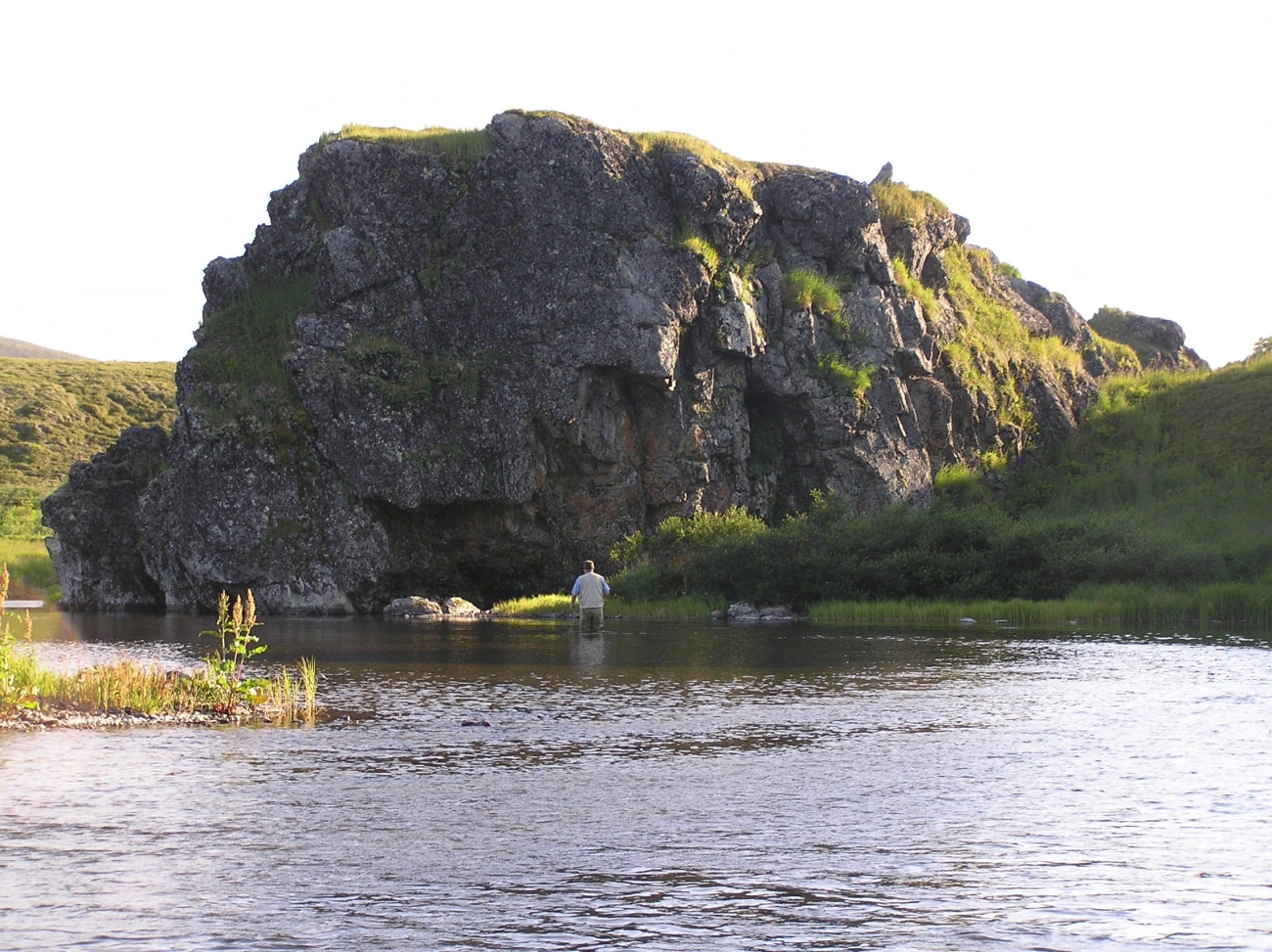
Fishing in Alaska tends to feel like an invitation to slow down. Even when the fish are moving fast, the experience usually carries a gentler rhythm than hunting. You may spend time watching water, listening to the guide, waiting for the tide or run to turn, and enjoying scenery that can feel almost unfairly beautiful.
That is why fishing works so well for travelers who want a trip that is active without being relentless. It can be social, too. Two people can stand on a riverbank and talk while they wait, or a family can share the day without everyone needing the same skill level. For many visitors, that balance makes fishing feel more accessible.
There is also a strong range of trip styles. A fly-in river adventure feels very different from a saltwater charter, and a relaxed lake outing is not the same as chasing salmon in moving current. That variety is part of the appeal. You can choose a style that matches your energy level instead of forcing yourself into a single template.
Why fishing often wins for first-timers
- It is easier to pace. You can often settle into the rhythm of the day without needing constant movement.
- The learning curve is friendly. A guide can help with casting, gear handling, and timing without overwhelming you.
- It works well for mixed groups. Not everyone in a group needs the same strength, endurance, or prior experience.
- The scenery becomes part of the reward. Even an ordinary stretch of Alaska water can feel memorable.
Potential drawbacks of fishing
- Patience matters. If you want instant action, fishing can test your nerves.
- Conditions change quickly. Water level, weather, and fish movement can all shift the day.
- The physical effort may be lower. If you want a trip that feels more like a field challenge, fishing may seem too relaxed.
For a good planning reference, I like to keep the official ADF&G fishing portal nearby, especially when a reader is trying to compare seasons or species. The site is practical, and practical is what you want before you book a trip.
If you want a softer introduction, fishing is often the better answer. It gives you room to breathe, room to learn, and room to enjoy Alaska without feeling rushed by the day.
Hunting: the More Demanding Path
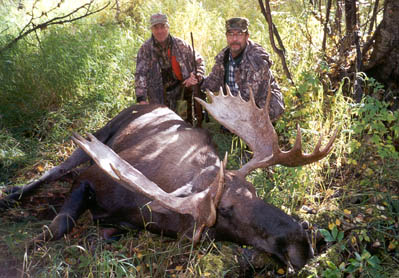
Hunting usually asks for a different kind of attention. The day can begin before light, continue across uneven ground, and require constant awareness of wind, terrain, signs, and timing. That is not a complaint. For the right person, it is exactly the appeal. Hunting feels purposeful, focused, and often deeply rewarding because the work leading up to the moment matters as much as the moment itself.
Compared with fishing, hunting typically carries more preparation and more mental load. You may think through clothing layers, optics, route planning, legal season windows, and what the day will ask of you physically. That is part of the experience, not a footnote. The people who enjoy hunting often like that level of engagement.
There is also a strong emotional difference. Fishing can feel reflective. Hunting can feel concentrated. Fishing may give you time to look around. Hunting may ask you to look through the country and notice what most people miss. If you enjoy becoming more alert rather than more relaxed, hunting may be the better fit.
Why hunting appeals to certain travelers
- It is more of a field skill experience. You are active in the environment and paying close attention to it.
- The planning matters. The trip begins long before you leave camp.
- It can feel more challenging. That challenge is part of the appeal for experienced outdoor travelers.
- It often creates a strong sense of purpose. You know what the day is about, and you are working toward it deliberately.
Potential drawbacks of hunting
- It is usually more physically demanding. The country can be rough, the weather can be stubborn, and the day can be long.
- It asks for more preparation. Gear, rules, and timing matter a great deal.
- It may not suit every group. Some travelers want a shared vacation pace rather than a mission-oriented trip.
If you want to compare the official side of the experience, the ADF&G hunting page is the most useful starting point. It helps ground the conversation in what actually matters: seasons, access, and the practical structure of the trip. The National Park Service’s hunting guidance is another plain-language check that rewards careful planning.
Hunting is a strong choice for people who want more challenge, more movement, and a stronger sense that the day required real participation from them. It can be unforgettable for exactly that reason.
Side-by-Side Comparison
If you are still undecided, a direct comparison can help. The table below is the simple version I would give to a friend who wants the truth without the gloss.
| Category | Fishing | Hunting |
|---|---|---|
| Pace | Usually slower, steadier, and more open to pauses. | Usually more active, structured, and watchful. |
| Physical demand | Moderate, depending on location and access. | Often higher because of terrain, movement, and field time. |
| Learning curve | Often easier for beginners to follow. | Usually steeper because of skills, rules, and conditions. |
| Group fit | Often better for mixed groups and families. | Often better for travelers who want a focused outdoor mission. |
| Weather sensitivity | Weather matters, but the day can still feel manageable in many setups. | Weather and visibility can affect both comfort and outcome more sharply. |
| Emotional tone | Reflective, scenic, and sometimes restorative. | Intense, purposeful, and often more adrenalized. |
| Best for | Travelers who want a beautiful, patient, hands-on day. | Travelers who want challenge, focus, and deeper field engagement. |
My short version is this: choose fishing if you want a more relaxed Alaska day, and choose hunting if you want the trip to feel like a true expedition. Neither answer is lesser. They simply lead to different kinds of satisfaction.
Questions to Ask Yourself
These are the questions I would ask before I booked either trip. They are simple on purpose, because simple questions tend to reveal the real answer.
- Do I want a trip that feels restorative, or a trip that feels like a challenge?
- Am I happiest when I can settle into a slow rhythm, or when I am constantly tracking details?
- How much gear and clothing do I want to manage?
- Do I want the trip to be easy to share with family or friends who have different experience levels?
- Am I prepared for a day that may involve more walking, more weather exposure, or more early starts?
- Do I care more about scenery and time on the water, or about the fieldcraft that goes into the hunt?
- What kind of memory do I want most: the quiet image of a river bend, or the intensity of a day spent reading the land?
- Would I rather learn the mechanics of casting and timing, or the mechanics of tracking and planning?
If you answer those honestly, you are usually halfway to the right decision. A lot of people try to choose the trip that sounds most impressive. I would encourage the opposite: choose the one you will actually enjoy once the boots are on and the weather shows up.
Recommendations Based on Interests
There is no single right choice for everyone, but there are very clear patterns. I would lean on those patterns instead of trying to force a perfect answer.
Choose fishing if you want…
- a calmer pace and more time to enjoy the scenery,
- a trip that often suits beginners and mixed groups,
- a lighter learning curve,
- and a day that feels active without becoming exhausting.
Fishing is often the better option if you are new to Alaska, traveling with a range of ages, or simply hoping for a trip that leaves you energized rather than worn out. If that sounds like your style, the services page is a good place to start looking at trip options that match the pace you want.
Choose hunting if you want…
- a more physically and mentally engaging experience,
- a stronger sense of purpose and field challenge,
- a trip that asks you to prepare carefully,
- and an adventure that rewards patience, discipline, and attention to detail.
Hunting is the better fit when the challenge itself is part of the reward. If you want your Alaska trip to feel deliberate, focused, and demanding in a good way, hunting gives you that. It is not a passive experience, and that is exactly why many travelers value it.
Choose both if you want…
- different kinds of Alaska days on different trips,
- the chance to compare calm water with more demanding country,
- and a broader understanding of what the state offers outdoors.
Some travelers do not need one activity to defeat the other. They simply want to know which one should come first. In that case, I usually suggest starting with the experience that best matches your current energy level. If you want a softer introduction, fish first. If you already know you want challenge, start with hunting.
Real-World Planning Examples
These examples are not rules. They are just the kind of practical matching I like to use when a decision feels bigger than it really is.
Example 1: A couple traveling together wants a memorable Alaska trip, but one person is less experienced outdoors. Fishing usually works better here because it lets both people participate without making the more experienced traveler carry the whole day.
Example 2: A traveler has spent years reading about Alaska, wants a harder field experience, and is comfortable with long days and careful preparation. Hunting usually makes more sense because the trip asks for the same seriousness the traveler wants to bring.
Example 3: A family wants to spend time outside, see beautiful country, and keep the day approachable. Fishing is often the cleaner fit because the trip can be shaped around comfort and shared enjoyment instead of constant movement.
Example 4: A visitor already has a strong background in outdoor trips and wants the next Alaska experience to feel more mission-driven. Hunting gives that sense of purpose, especially when it is paired with a guide who knows the terrain and timing.
When I compare those examples, one theme keeps showing up: fishing is usually the easier “yes,” while hunting is usually the more intentional “yes.” If you know which kind of yes you want, the choice becomes much simpler.
For additional planning context, I like to compare the details in this article with the services page and the blog so the choice stays grounded in what actually fits your trip. That keeps the decision practical instead of abstract.
Conclusion
Fishing and hunting both belong in Alaska, but they do not give you the same day. Fishing usually gives you more calm, more scenery, and a gentler entry into the wild. Hunting usually gives you more challenge, more focus, and a deeper sense of work accomplished in the field. The better choice is the one that fits the kind of traveler you are right now, not the kind of trip you think you are supposed to want.
If you want a short version to carry with you, here it is:
- Choose fishing if you want a more relaxed, scenic, and accessible adventure.
- Choose hunting if you want a more demanding, skill-heavy, and goal-oriented adventure.
- Choose both if you want to experience Alaska through two very different kinds of wild days.
And if you are still weighing the decision, that is perfectly fine. The right trip is usually the one that feels clear once you imagine the actual morning, the actual gear, and the actual pace. If you want help narrowing the options, start with the services page and then browse the blog for more planning ideas. A little clarity goes a long way before you head into the Alaska wild.